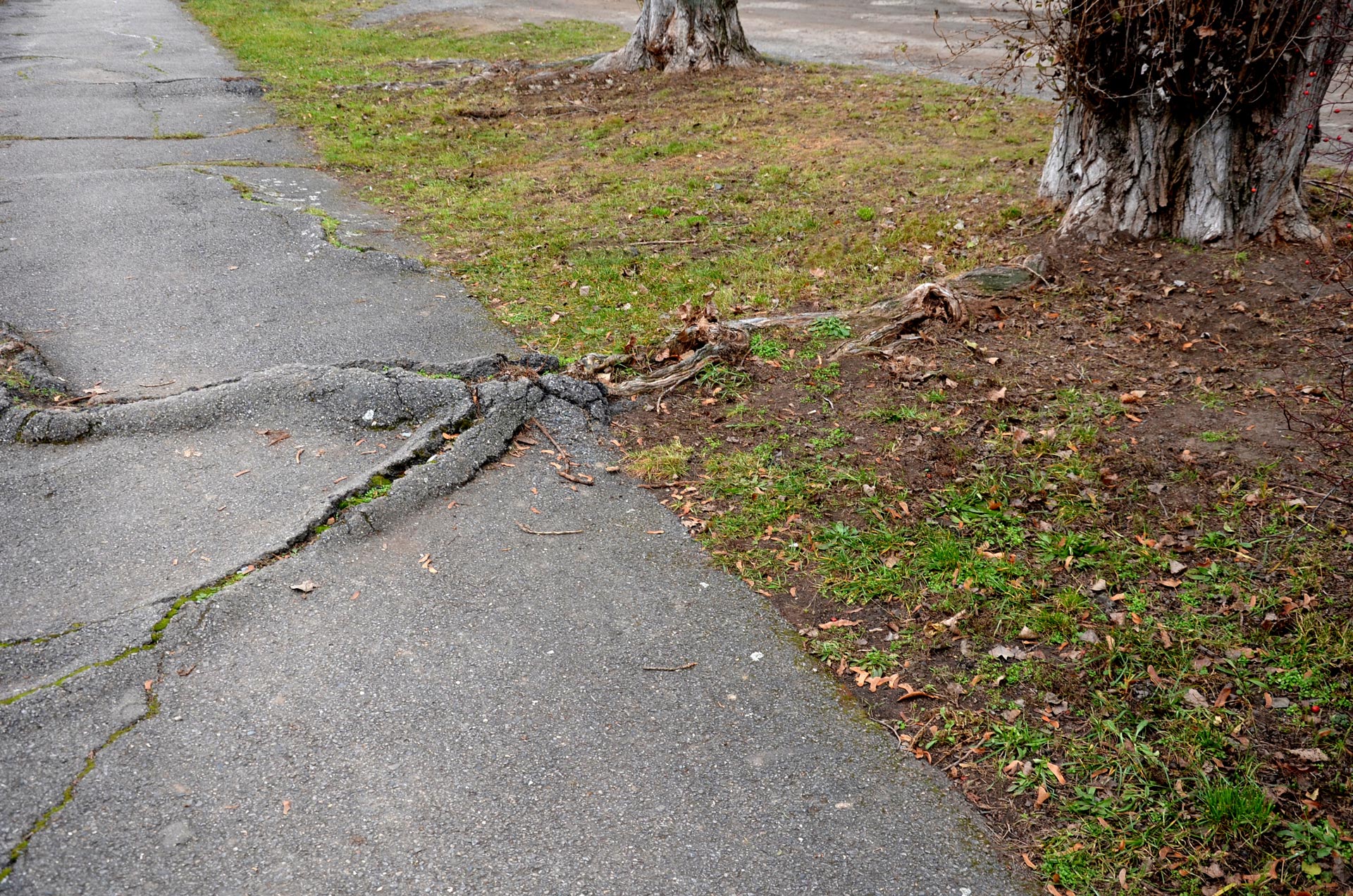
Trees are expected to drop leaves and cast shade. You don’t expect them to crack your driveway, lift your sidewalk, or start putting pressure on your foundation. But for a lot of homeowners, that’s exactly when they start searching for tree removal services Vancouver WA experts: when roots and concrete are now in direct conflict.
The tricky part is knowing when a tree is just a cosmetic headache—and when it’s a real structural risk. Do you really need to remove it, or can you monitor it and manage the roots instead?
Let’s walk through how roots behave, what warning signs to look for, and how professionals think about removal vs. monitoring when trees sit close to foundations, driveways, and walkways.
Tree Removal Services Vancouver WA: Why Roots and Concrete Clash
From a professional tree removal services Vancouver WA perspective, most root–concrete problems start with a simple mismatch: a large, long-lived tree planted in a very small, hardscaped space.
Tree roots don’t “hunt down” concrete to break it. They’re looking for water, oxygen, and room to grow. Unfortunately, the soil right along foundations, driveways, and sidewalks is often compacted and limited, so roots push up or sideways where there’s the least resistance—which is usually right under slabs and walkways.
Over time, that leads to:
- Hairline cracks that widen
- Raised or uneven concrete panels
- Doors and gates that don’t close correctly
- Drainage patterns changing around the home
The tree isn’t trying to cause damage, but the end result is the same.
How Tree Roots Actually Grow, and Why Their Distance Matters
A lot of people picture one giant taproot plunging straight down. In reality, most tree roots are:
- Shallow: Often in the top 12–24 inches of soil
- Wide: They can spread two to three times the height of the tree
- Opportunistic: They follow water, oxygen, and softer soil paths
So when a tree is planted just a few feet from a foundation or driveway, it’s almost guaranteed that roots will eventually explore under or along those structures. The closer and larger the tree, the higher the chance those roots will create movement, lifting, or cracking over time.
Warning Signs Roots May Be Affecting Your Foundation or Hardscape
You don’t have to dig up your yard to suspect root issues. Some common clues include:
- Cracked or raised sidewalks and driveways
One panel sits higher than the next, or cracks originate from one area close to the trunk. - Soil mounding or gaps near the base of the tree
The ground appears pushed up, or you see voids forming as roots expand. - Water pooling near the foundation or driveway
Roots can change how water drains, sending more water toward or away from structures. - Interior symptoms that line up with exterior growth
Doors or windows sticking, small interior cracks, or uneven floors that correspond with a large tree and visible root pressure outside.
For minor, slow-moving issues, monitoring may be enough. For more advanced or rapidly progressing problems, removal becomes a more serious consideration.
When Monitoring and Root Management May Be Enough
Not every tree near concrete is a candidate for automatic removal. In some situations, you can keep the tree and manage the risk:
- Early-stage cracking or minor lifting
Hairline cracks that aren’t growing quickly may be watched over time while you evaluate whether the tree’s growth is slowing. - Younger or moderate-sized trees
Smaller trees with manageable root systems may allow for careful root pruning done by professionals, sometimes combined with root barriers or redesigning nearby hardscape. - Non-structural hardscape issues
A lifted garden path or a bit of patio settling might be annoying but not dangerous. You may opt to adjust or rebuild the hardscape instead of removing a healthy tree that provides shade and privacy.
If you go this direction, it’s important to understand that root pruning is not a DIY project. Cutting the wrong roots, or cutting too many on one side, can destabilize the tree and actually increase the risk of failure in a storm. A qualified tree service will evaluate which roots are critical for stability and which can be safely cut back.
When Tree Removal Becomes the Responsible Choice
There are times when even the most tree-loving homeowner has to consider removal. Professionals start leaning toward tree removal services Vancouver WA in situations like:
- Significant or recurrent concrete damage
Driveway panels keep lifting, repairs don’t last, or sidewalks have become tripping hazards. - Roots clearly impacting the foundation or main structures
Evidence of roots directly contacting foundation walls or footings, combined with structural concerns flagged by a contractor or engineer. - Tree is simply too large for the space
A mature tree inches from the foundation, garage, or driveway with no practical way to manage roots without compromising the tree’s stability. - Advanced decay or structural issues in the tree itself
If the tree is already declining, diseased, or structurally unsound, investing in root management and repeated hardscape repairs may not make long-term sense. - Safety and access problems
Roots making entry paths unsafe, blocking emergency access, or interfering with utilities can tip the balance toward removal.
In those cases, removing the tree and starting fresh with a better-suited species, or a different landscape plan, often protects your property and budget over the long term.
What a Professional Assessment Should Include
If you’re unsure whether your situation calls for monitoring or removal, a good next step is a professional evaluation on site. A legitimate tree company will:
- Inspect the tree’s overall health and structure
Looking for decay, defects, lean, canopy balance, and root flare conditions. - Look at the pattern of damage
Noting where cracks, lifting, or settling are occurring and how they line up with root growth. - Consider species and future growth
Some trees have more aggressive root systems and keep getting larger; others slow down as they mature. - Walk you through options
From selective root pruning and monitoring to full removal and stump grinding, with honest pros and cons for each.
For serious foundation concerns, they may recommend that you also talk to a structural engineer or foundation specialist, so your tree decisions align with a bigger, long-term plan for the property.
Balancing Shade, Structure, and Peace of Mind
Deciding what to do with a tree that’s too close to your foundation or driveway is an emotional call just as much as it is technical. Trees are part of why your yard feels like your place. At the same time, you don’t want to keep patching concrete or worrying about what’s happening just below the soil.
That’s where Tree Contractors NW can help. The goal isn’t to remove trees by default, but to help you understand your options clearly so you can choose what’s best for your home, your budget, and your peace of mind.
With the right guidance, you can replace risky trees with better-suited plantings, protect your structures, and still enjoy a landscape that feels lush, safe, and welcoming for years to come.