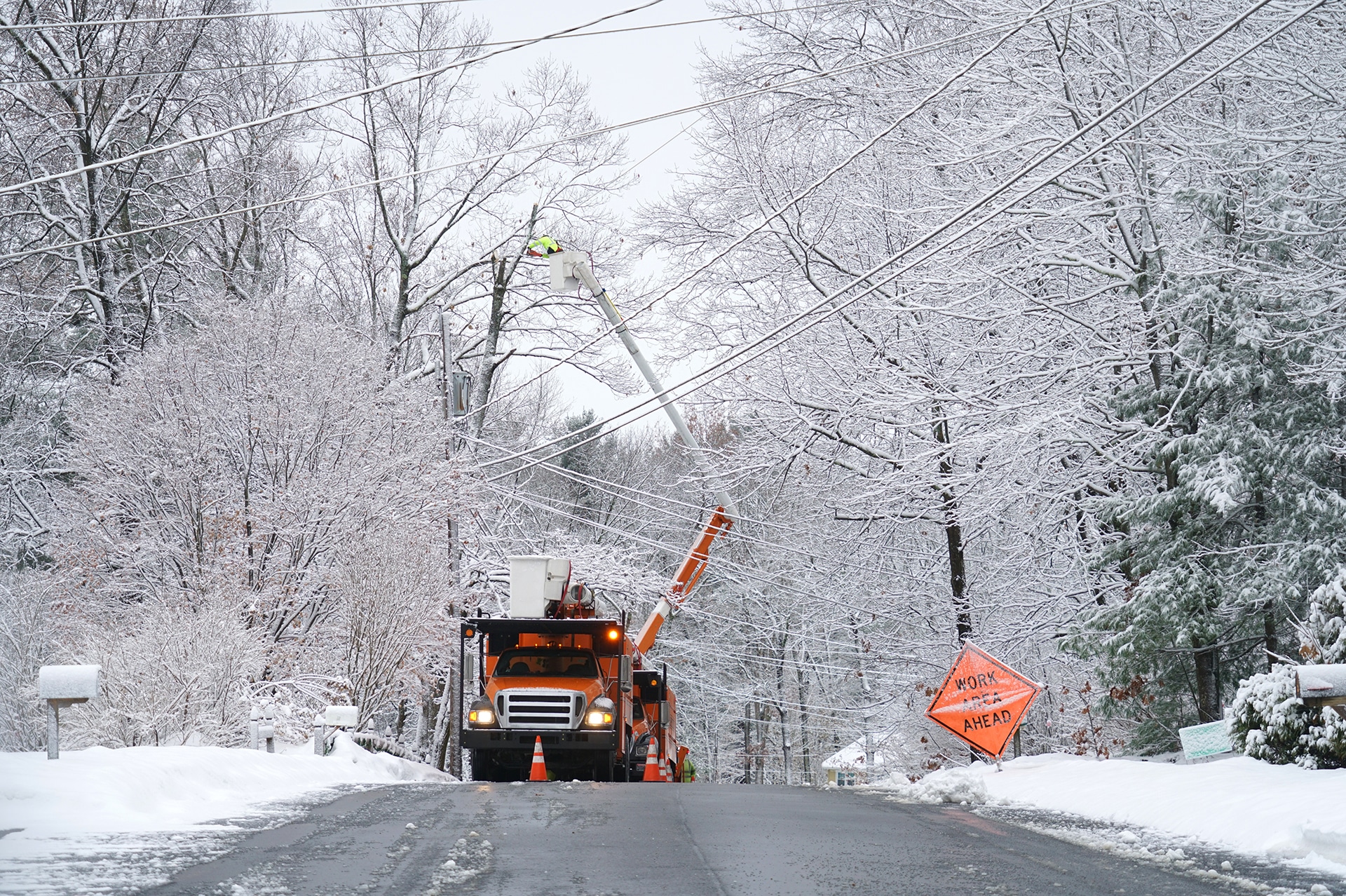
When Pacific Northwest weather turns wild, Clark County homeowners know what follows: fallen branches, leaning trunks, and debris scattered across the yard. One day your trees look sturdy and green; the next, they’re bowed, cracked, or blocking your driveway. The mix of heavy wind, rain, and the occasional layer of ice can test even the healthiest trees.
That’s why knowing when to call for emergency tree service Vancouver WA homeowners trust is so important. Some damage is cosmetic, but other times, those same cracks or tilts are warnings of serious structural failure. Acting quickly can protect your property, your family, and even your neighbors before a dangerous situation gets worse.
1. Wind Damage: When the Roots Can’t Hold
Winter windstorms in Clark County are no joke. Gusts often exceed 40 miles per hour, tearing through neighborhoods lined with towering Douglas firs and maples. When the ground is already soaked from weeks of rain, those roots have less grip than usual.
If you notice a tree leaning after a storm, especially one that wasn’t leaning before, it’s time to pause and assess. Look for soil cracks at the base, exposed roots, or raised ground on one side of the trunk. Those are telltale signs the tree is beginning to uproot.
Even if it’s still standing, a partially uprooted tree is unpredictable. A second round of wind could easily bring it down. Calling for emergency tree service Vancouver WA specialists right away ensures professionals can stabilize or remove it safely before it causes real damage.
Also, listen for creaking or snapping sounds when the wind picks up again. Trees under internal strain can give audible warnings before they fail completely. If you hear those noises, stay back and let experts inspect the structure.
2. Ice Storms: The Silent Tree Breakers
When freezing rain hits Clark County, it coats every limb and leaf in a shimmering glaze of ice. Though it may look beautiful, it’s brutal for trees. A thin layer of ice adds hundreds of pounds of extra weight, and weaker limbs can snap without warning.
You might not notice the damage immediately. Sometimes, branches crack partially and hang suspended for hours or days. Then, when temperatures rise or the wind returns, they fall. These “hanger” branches are one of the most common reasons for emergency tree service Vancouver WA crews to be called in after an ice storm.
If you spot large, fractured limbs dangling over walkways, roofs, or driveways, don’t try to handle them yourself. Ice can make footing treacherous, and heavy branches may shift suddenly while being cut. Professionals have the safety gear and rigging systems to remove them without causing secondary damage.
It’s also important to check nearby trees for stress fractures. Even if they look fine from a distance, cracks in the trunk or splitting at the main crotch (where large limbs divide) can be dangerous later. Ice weakens natural support points, and the next storm can finish what the last one started.
3. Saturated Soil and Root Instability
In the Pacific Northwest, rain rarely arrives in moderation—it settles in for weeks at a time. When soil becomes saturated, it stops supporting the root systems that anchor your trees. Clay-heavy soil, common in Clark County, makes it even worse by holding water like a sponge.
A waterlogged base means less oxygen for the roots, which weakens their ability to grip. Add a strong wind, and even mature trees can start to shift. This is especially true for older evergreens with shallow root systems.
If you notice trees swaying more than usual, visible root movement, or soggy ground around the base, you’re looking at early warning signs of potential collapse. That’s a clear time to contact a professional for emergency tree service Vancouver WA residents rely on during storm season. They can evaluate whether the tree can be stabilized or needs to be removed before it causes structural damage.
4. Power Lines and Hazard Zones
Another reason to call for immediate help is when a tree or large branch comes down near power lines. It might seem harmless if the line is still intact, but live wires can carry current through wet wood or ground. Never approach or attempt to move debris in these situations.
Tree Contractors NW and other certified crews in Clark County are trained to work safely alongside utility companies during these emergencies. They’ll coordinate removal, prevent further line damage, and clear the area so it’s safe again.
If a tree falls on a structure—like a roof, garage, or fence—it’s also considered an emergency. Even if there’s no visible collapse, the added weight can stress beams and foundations. Tree professionals can stabilize the area before removing heavy sections, preventing further damage.
5. What to Do Before Help Arrives
While you wait for help, keep your distance from any unstable trees. Avoid walking beneath damaged canopies or leaning trunks, even if they seem steady. Take photos of the damage for your insurance company, then clear smaller debris only if it’s safe to do so.
Resist the urge to cut hanging limbs yourself. Without the right gear, it’s easy for a branch to shift its weight mid-cut and swing unpredictably. Trained technicians have climbing equipment, ropes, and saws designed for this kind of work—and they can prevent the kind of secondary damage that often happens with rushed DIY attempts.
Protecting Your Property In the Future
Once the immediate threat is handled, it’s worth scheduling a post-storm assessment. Professional arborists can evaluate which trees were stressed and may need pruning or soil care to prevent future failures. Routine maintenance, especially in fall and early winter, can dramatically reduce the need for emergency calls later on.
Regular pruning, soil aeration, and cabling for heavy canopies help your trees withstand Clark County’s storm cycles. It’s about prevention, not just cleanup.
Trust the Experts Who Know Local Trees
At Tree Contractors NW, we’ve spent years helping Vancouver homeowners through every type of weather disaster—windstorms, ice damage, and rain-soaked soil that sends trees toppling. We understand the local soil composition, the species most prone to failure, and how to restore safety without unnecessary removals.
If your yard looks different after the latest storm, or you’re not sure whether a leaning tree is stable, don’t wait for the next gust to find out.
Call Tree Contractors NW for emergency tree service Vancouver WA homeowners trust to restore safety, stability, and peace of mind after any storm.