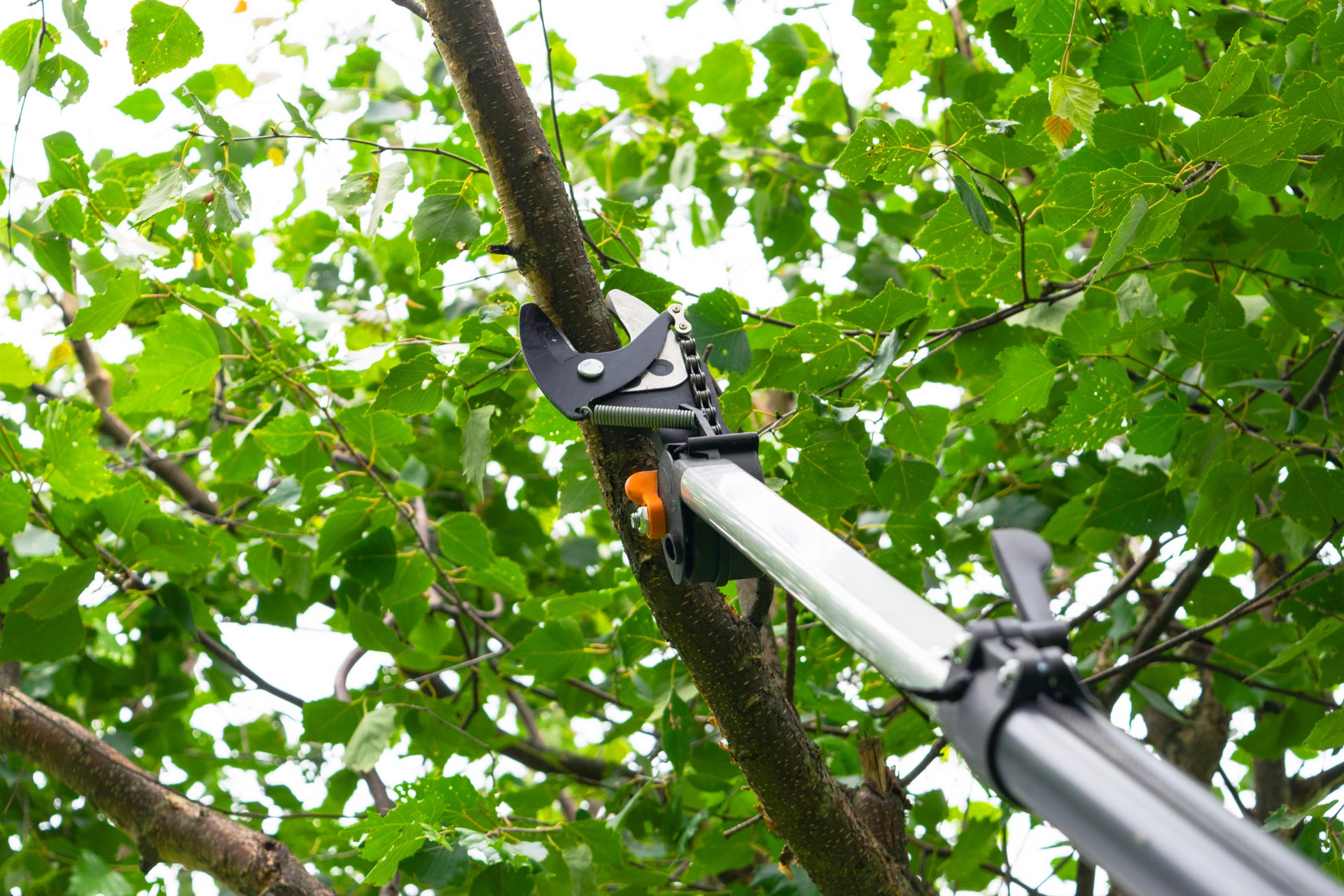
If you live in Southwest Washington, chances are you picked your home for the view as much as the house. River glimpses, Mt. Hood on a clear day, sunsets over the hills—all beautiful, until a fast-growing maple or fir slowly eats the whole thing. That’s usually when homeowners start calling around for tree pruning Vancouver WA companies and asking for a “view trim.”
Here’s the problem: “view trim” isn’t a technical term. To some crews, it means thoughtful, selective pruning. To others, it means taking a chainsaw to anything remotely in the way. The first approach protects your trees and your view; the second can leave you with an unsafe, ugly tree that struggles for years, or fails altogether in the next windstorm.
Let’s talk about how to open up your view without sacrificing the trees you love.
Tree Pruning Vancouver WA: How “View Trims” Go Wrong So Quickly
From a professional tree pruning Vancouver WA perspective, most bad “view trims” start with good intentions and vague instructions. A homeowner points at the mountain and says, “I just want to see that again—take it way back.” The crew wants to make the client happy, so they remove big limbs fast.
The result is large heading cuts, flat tops, and random gaps. It might look dramatic (and even satisfying) the first week, but your tree just paid a huge price in health, stability, and appearance.
To avoid that, it helps to understand what you actually want.
You don’t want a “view trim.” You want selective pruning that frames your view and keeps the tree structurally sound.
What Most Homeowners Mean By a “View Trim”
When people say “view trim,” they’re usually talking about one of three things:
- “The tree is blocking my river/mountain view.”
Typically a tall conifer or broadleaf that has filled in over time. - “It feels dark and closed in.”
Dense lower branches shading decks, windows, and patios. - “I just want it cleaned up.”
An overall lighter, tidier look that doesn’t feel overgrown.
None of those goals require hacking the top off the tree or stripping every branch on one side. In fact, the best view work often looks subtle. A few smart cuts in the right places can open a window to the view without screaming, “Someone went crazy with a chainsaw!”
What Over-Pruning Does to Your Tree
Over-pruning might get you a quick, open view, but its sets your tree up for long-term problems:
- Weak, fast regrowth.
When you remove too much foliage, the tree panics. It sends out a bunch of weak, upright shoots called water sprouts. These grow quickly, block the view again, and attach poorly—meaning they’re more likely to break in storms. - Sunburn and decay.
Limbs that were shaded for years suddenly get full, harsh sun. Bark can crack and burn, and large, exposed cuts invite fungi and decay. - Higher wind risk.
Randomly taking off big sections can actually make the tree less stable. You change how wind moves through the canopy, and poorly placed cuts can create leverage points that fail in storms. - Ugly, unbalanced shape.
You know that “lollipop” or “half a tree” look? That’s the result of topping or removing all branches on one side to “open the view.” It doesn’t age well.
Good pruning should make the tree look like it grew that way naturally, while still giving you more sky, water, or mountain line to enjoy.
Safer Ways to Open Up Your View
Legitimate tree pruning services will explain more about how they prune than how much they can remove.
Here are techniques that protect both view and tree:
- Crown thinning (not stripping).
Instead of slicing big chunks off the top, a pro carefully removes select interior branches. This lets more light and sight lines pass through without creating big, ugly cuts. - “Windowing” the view.
Think of creating a natural “window” in the canopy—removing or shortening a few strategic limbs so you see through the tree rather than over it. Done right, your tree becomes part of the view, not the enemy of it. - Raising the canopy.
Sometimes you don’t need to touch the top at all. Removing a few lower limbs can lift the canopy out of your line of sight from decks or living room windows, which can be enough to restore the view. - Directional pruning.
Instead of hard, flat cuts, a pro will cut back to existing side branches so the tree keeps a natural shape and continues to grow away from the view corridor.
Taken together, these techniques can dramatically improve your view while keeping the tree healthy, stable, and attractive.
How to Talk to Your Tree Pruning Services to Get the View You Want
You don’t need to learn arborist jargon to get good results. You just need to be specific about your goals and firm about what you don’t want.
Here are a few tips:
- Show them the view from inside.
Walk the crew into your living room, onto your deck, or to the exact spot you care about. Point out exactly what you want to see again—“I’d love more of the river back,” or “I miss seeing that mountain ridge.” - Use “frame the view,” not “cut it way back.”
Phrases like “frame the view” or “open a window through the canopy” help pros think selectively. “Take it way down” sounds like you’re asking for topping. - Say “no topping” up front.
Ask directly: “You don’t top trees, right?” Topping is a major red flag in modern tree care. - Ask about a long-term plan.
Good view work is often done gradually over a few pruning cycles. A thoughtful plan keeps the tree healthy and the view open year after year, instead of a one-time drastic cut.
When It’s Time to Remove Instead of Prune
Sometimes the honest answer is that pruning alone won’t give you the view you want and keep the tree safe.
Removal may be the better option if:
- The tree is already heavily topped or butcher-pruned from past work.
- There’s significant decay, cracking, or a major lean toward your home.
- The species simply gets far too large for the space or the view corridor.
- You’d have to remove so much foliage that the tree would be weakened beyond reason.
In those cases, a professional can help you remove the problem tree and, if you’d like, choose and plant a better-sized, view-friendly species in its place.
Wanting to See More Sky Without Sacrificing Your Trees?
You don’t have to choose between a great view and healthy trees. With careful, selective pruning and a crew that understands both aesthetics and tree biology, you can have both: the mountains or river you moved here for, and a landscape that looks like it belongs in the Pacific Northwest, not a parking lot.
If you’re looking for tree pruning services that homeowners can trust to protect both views and trees, call Tree Contractors NW—a team that talks about structure, long-term health, and selective cuts, not just “taking a bunch off the top.” Your future self, and your trees, will thank you every time you look out the window.