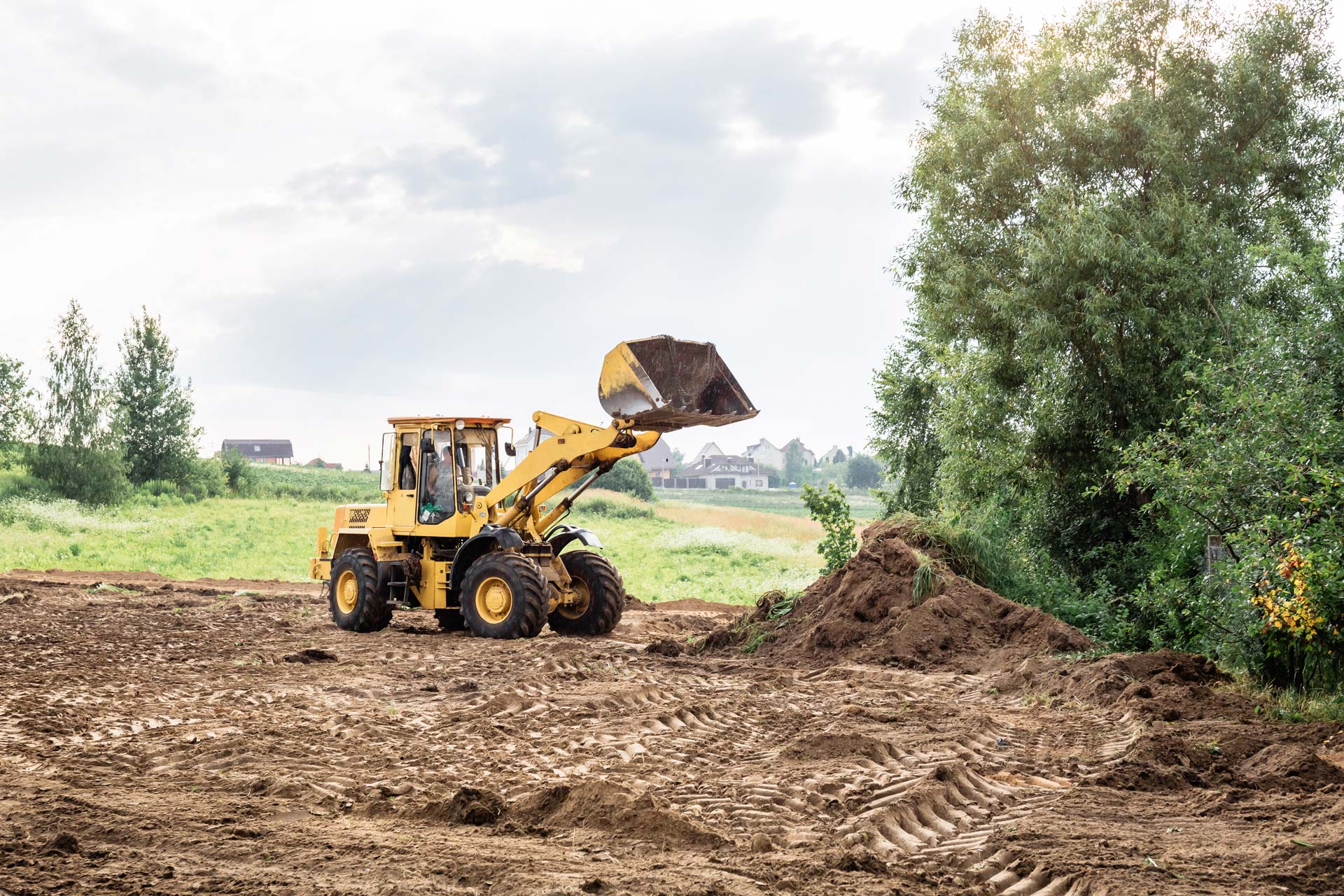
If you are planning to build on a piece of property in Clark County, the work starts long before concrete is poured or framing begins. In many cases, the first major step is making the site usable, safe, and accessible—which is where land clearing services become helpful.
A wooded or overgrown lot may look manageable at first glance, especially if the brush seems light or the trees are spaced out. But once you begin thinking through building access, grading, drainage, utility work, septic planning, and foundation prep, it’s clear that site conditions matter more than many property owners expect. Understanding when clearing is needed can help you plan better, avoid delays, and make smarter decisions from the beginning.
When Clark County Property Owners Need Land Clearing Services Before Building
Not every property needs the same level of preparation before construction starts. Some lots need only light brush removal and selective tree clearing. Others may require a much more involved process to remove dense vegetation, stumps, fallen limbs, invasive growth, and obstacles that interfere with access or development.
In Clark County, properties often come with a mix of second-growth trees, thick underbrush, blackberry, ivy, uneven terrain, and soggy areas that are not obvious until you walk the site closely. That kind of growth can make it difficult to understand what the land can realistically support.
Property owners often need land clearing services before building when the site has one or more of the following conditions.
The Lot Is Overgrown Enough to Limit Access
Before any building equipment can arrive, there needs to be a safe way to reach the work area. If brush, low limbs, volunteer trees, or debris block access, even basic site visits can become difficult. This matters early, because surveyors, engineers, utility crews, and excavators all need room to move through the property.
An overgrown entrance or narrow path may not seem like a major issue at first, but it can slow down every phase that comes after. Clearing access routes early helps make the rest of the project more practical.
Trees or Brush Are Hiding the True Layout of the Land
One of the biggest reasons owners schedule clearing before building is simple: they need to see what they’re working with. Dense vegetation can hide slope changes, drainage patterns, rock outcrops, unstable ground, or old debris left behind from past use.
Until the lot is opened up, it’s hard to make informed decisions about where to place a home, detached shop, driveway, retaining wall, or utility trench. In that sense, land clearing services are often about visibility as much as removal. You can’t plan a site well if the site is still hidden.
The Build Requires Room for Utilities, Septic, or Drainage Work
Construction isn’t just about the structure itself—most properties also need room for supporting systems such as septic, water, power, drainage, and driveway access. If the proposed build site is surrounded by brush or packed with small trees, those additional components may be harder to place.
For example, a property may have enough open area for a home footprint but not enough accessible, clear space for trenching, equipment staging, or drainage improvements. This is especially important in Clark County, where wet conditions and site-specific drainage concerns can shape what’s feasible.
The Property Has Safety Hazards That Should Be Addressed First
A lot that has been unmanaged for years may include dead trees, hanging limbs, hidden stump holes, unstable brush piles, and tangled invasive growth. These conditions can create safety risks for anyone walking the property, let alone working on it with equipment.
Before building begins, it often makes sense to remove obvious hazards so the site is safer for inspections, planning, and early construction activity. This step also helps reduce surprises once work is underway.
Local Site Conditions Make Selective Clearing More Practical Than Waiting
Clark County properties can change quickly with the seasons. Brush grows fast. Wet ground can limit machine access. Fallen limbs and storm debris can accumulate. In many cases, it’s easier to prepare the property in a focused, planned way before construction starts rather than trying to work around unmanaged vegetation later.
Good, thorough site prep isn’t always about clearing everything. Sometimes it’s about preserving the right trees, opening the right areas, and making sure the lot is ready for the next phase without creating unnecessary disturbance.
What Property Owners Should Think About Before Clearing Begins
Before moving forward, it helps to define the actual goal of the clearing work. Are you preparing for a home site, a detached garage, a future addition, a driveway extension, or utility access? The answer affects how much clearing is needed and where it should happen.
It’ also worth thinking about:
- which trees should stay
- how much room equipment will need
- whether drainage is already a concern
- whether brush is hiding fences, easements, or property lines
- how site conditions may change during wet weather
These details can affect both the scope of the clearing and the timeline of the overall build.
Why Early Site Preparation Usually Leads to Better Decisions
A common mistake is assuming clearing can wait until the last possible moment. Early preparation gives property owners a clearer path forward…literally. Once the lot is accessible and visible, it becomes easier to coordinate planning, confirm layout decisions, and spot site challenges before they become expensive problems.
That is one reason many people researching NW tree service options are really trying to solve a broader site-readiness question. They’re trying to understand what needs to happen first so a property can support the project they have in mind.
NW Tree Service Starts With Understanding the Property
Building on raw or overgrown land in Clark County usually begins with understanding the site, not rushing into construction. If brush, trees, debris, or poor access are standing in the way, clearing may be a necessary first step.
Not all lots need the same approach. Some need light cleanup. Others need targeted preparation to make room for access, drainage, utilities, and safe building conditions. When property owners understand that early, they can plan with more confidence and avoid making decisions based on an incomplete, inaccurate view of the land.