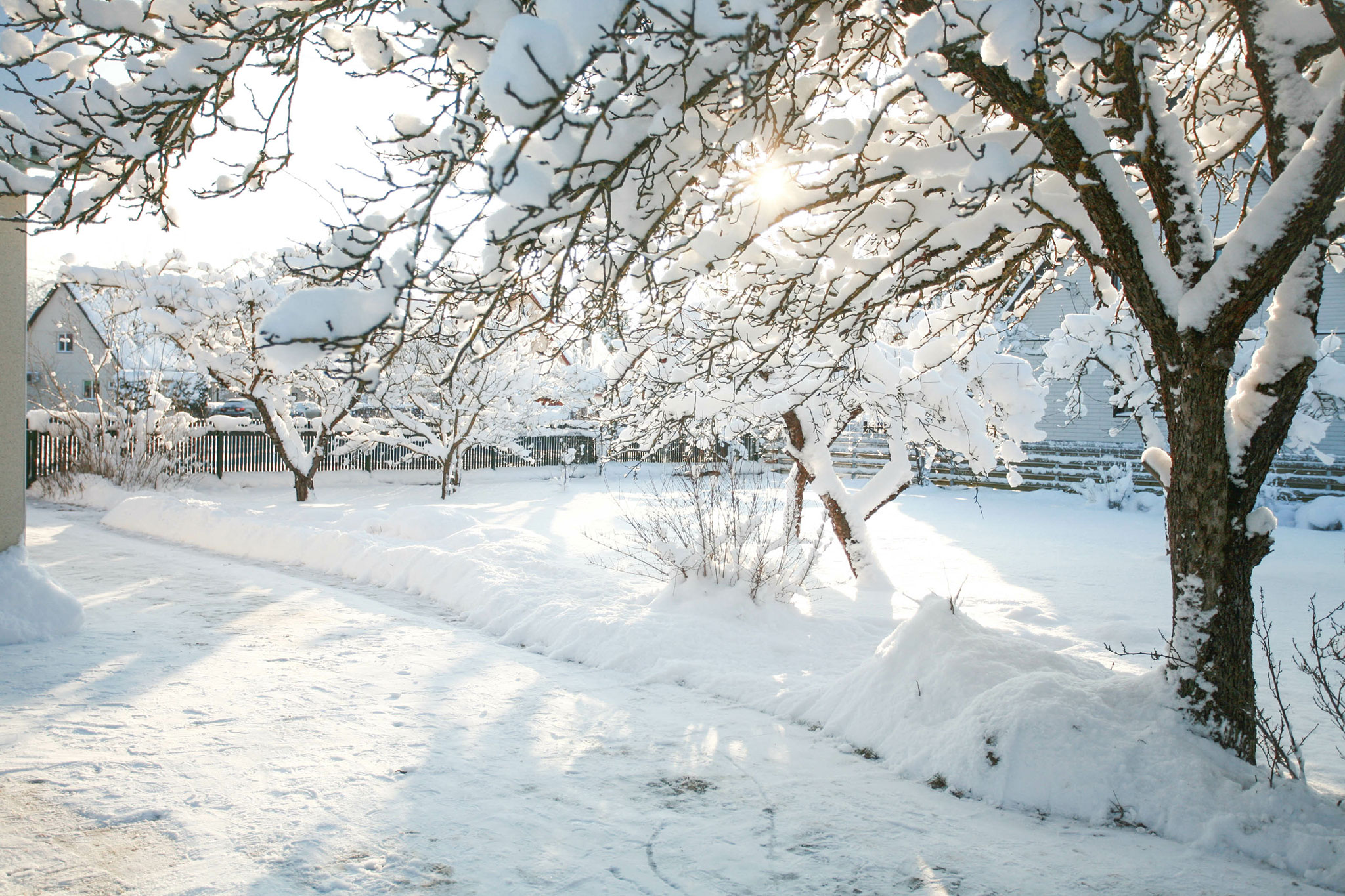
As beautiful as winter can be, snow and ice bring risks for your trees. When temperatures drop and snow piles up, the extra weight can put stress on branches, sometimes causing them to snap or split. Taking steps to prevent and treat ice buildup is key to keeping your trees healthy and safe. Here’s how to manage winter’s impact on your trees.
Preventing Winter Damage to Trees
While you can’t control the weather, there are a few things you can do to prepare your trees for winter.
1. Prune Weak or Overgrown Branches
Winter is hard on tree branches, especially those that are already weak, diseased, or growing in awkward directions. Pruning these branches helps your tree shed excess weight, reducing the chance that ice and snow will weigh them down to the breaking point.
Trimming back overgrown areas also helps balance the tree’s shape, which makes it better able to handle strong winds and heavy snowfall. If you need assistance, a tree service in Vancouver WA can handle pruning to remove vulnerable branches safely.
2. Mulch Around the Base
Adding a thick layer of mulch around your tree’s base acts like a cozy blanket for its roots, locking in warmth and moisture that are vital for winter survival. This layer of insulation helps regulate the soil temperature, preventing the ground from freezing too quickly and reducing stress on the tree’s root system.
When applying mulch, go for a layer about 2-4 inches thick, but keep it a few inches away from the trunk. This gap helps prevent rot and keeps pests from settling in, so your tree stays healthier in the long run.
3. Protect Young Trees
Young trees, with their thinner bark and flexible branches, are more susceptible to winter damage than their mature counterparts. Wrapping them in burlap or a breathable cover helps prevent ice from forming directly on the branches, which reduces the risk of snapping. This extra layer also protects the tree from cold winds that can cause branches to dry out and weaken.
Make sure to take off the cover as soon as winter is over so your young trees can soak up fresh air and sunlight. Leaving it on too long can trap moisture and lead to mold, which could harm the tree just as it’s starting to grow in the spring.
Safe Ways to Remove Ice from Trees
If your trees have ice buildup, be cautious to avoid causing more damage. Here’s how to handle it safely:
- Don’t Shake Branches: Shaking them can make branches snap. Instead, gently brush off any loose snow with a broom. If the ice is already stuck on, it’s better to let it melt naturally rather than risk breaking the branches.
- Avoid Using Hot Water or Salt: Pouring hot water or spreading salt can damage the bark and soil, which can weaken the tree over time. It’s best to stick with gentle methods to keep the tree healthy.
- Prune Only if Necessary: If you see branches that are cracked or split, consider pruning them after the ice melts to prevent future problems. Our professional tree service in Vancouver WA can safely assess and prune any damaged branches.
Protect Your Trees This Winter with Simple Tips
Snow and ice can be tough on trees, but with proper preparation and care, you can help protect them through the winter. By pruning strategically, insulating roots, and using safe removal techniques, you’ll minimize winter damage and keep your trees standing strong for years to come.
If you need professional help to prepare or care for your trees this winter, contact Tree Contractors NW. Our team can handle all your pruning, trimming, and emergency tree care needs to keep your trees safe and healthy through the cold season. Call us today to schedule a consultation.