If you have ever stared at a fresh pile of arborist chips and wondered if you just invited ants, termites, or rodents to move in, you are not alone. At Tree Contractors NW, we hear this often from homeowners researching wood chipping Vancouver WA. The short answer is that chips themselves do not “cause” pest problems. Issues show up when chips are placed in the wrong spot, at the wrong depth, or over soils that already hold moisture and food sources pests love.
The good news is that a few simple tips and habits can prevent trouble while keeping the benefits of wood chipping Vancouver WA front and center.
What’s the Relationship Between Pests and Wood Chipping Vancouver WA?
Let’s separate material from conditions. Fresh arborist chips are a mix of twigs, leaves, bark, and small wood pieces. That blend is different from bark fines or lumber scraps. It breaks down slowly, keeps soil temperatures stable, and helps water soak in instead of running off. None of that is inherently attractive to pests.
Problems arise when other factors line up:
- Constant moisture against structures. If chips are piled right up to siding or skirting, they hold moisture near wood trim. Moisture invites decay fungi, and decaying wood can invite insects.
- Buried food sources. Fallen fruit, spilled pet food, and compost mixed into chip layers turn a mulch bed into a buffet.
- Deep, fluffy layers. Six to eight inches of loose material gives rodents a quiet place to tunnel.
- Existing access points. Gaps around vents or under decks allow animals to den no matter what the surface is.
In other words, pests follow shelter and food. Thoughtful wood chipping Vancouver WA turns chips into a tidy, dry, and well-managed surface that offers neither.
Simple Prevention For Wood Chipping Vancouver WA Homes
You do not need chemicals or complicated routines. You need a clean edge, good airflow, and the right depth in the right places.
Tip 1: Keep a clean, noncombustible border next to structures
Maintain a 5-foot mineral mulch strip around foundations, steps, and decks. Use gravel or compacted fines close to the house, then start wood chips beyond that zone. This keeps moisture away from siding and removes cover that pests might use to approach. It also supports Firewise guidelines.
Tip 2: Set the right chip depth
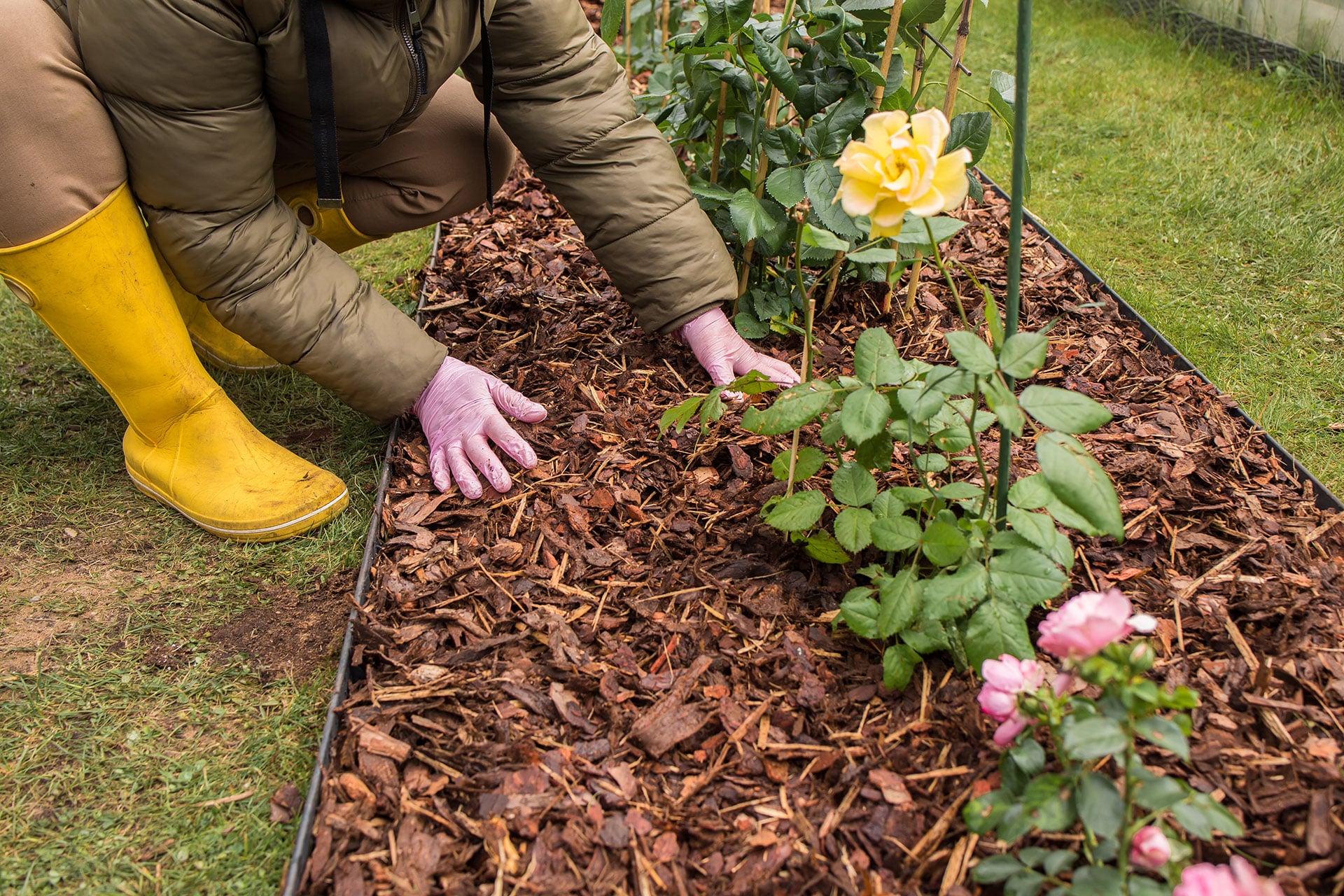
Aim for 3 to 4 inches in planting beds and 2 to 3 inches for paths. That is enough to block weeds and cushion foot traffic without creating a loose, tunnel-friendly blanket. Refresh with 1 to 2 inches each year rather than burying old layers.
Tip 3: Screen what goes under the chips
Do not bury kitchen scraps or “hot” compost under chips. Keep bird feeders over hardscape where you can sweep hulls. Harvest or dispose of fallen fruit before mulching. The cleaner the base, the fewer curious visitors.
Tip 4: Ventilate and seal
Before spreading chips, check crawlspace vents, door sweeps, and deck skirts. Seal gaps larger than a pencil. Chips should complement a sealed building envelope, not try to compensate for one.
Tip 5: Choose the right chip mix
Arborist chips from local pruning work best. Coarser, mixed-species chips interlock and shed water more evenly than finely shredded bark. Coarse chips resist matting and do not create a damp sponge.
Termites, Ants, and Rodents: What The Evidence Suggests
A common concern is that wood chips “cause termites.” Termites are after decayed wood and persistent moisture. Properly used chips are neither. They sit on top of soil and dry between rains. If you already have buried stumps or old construction debris, that is the bigger risk. The fix is to remove those materials, grade for drainage, and then use chips to keep the surface tidy.
Ants are opportunists. They will nest under stepping stones, pavers, and weed fabric as readily as under mulch. Keeping mulch at the right depth, breaking up ant mounds when you see them, and removing food sources is usually enough.
Rodents prefer dense cover. If chips are deep and unmaintained right up against fences and sheds, you make their lives easier. Keep edges trimmed, maintain sight lines, and rake out runways. If a neighboring wooded area is the source, create chip paths with clear margins so you can monitor and disrupt travel routes.
Where Wood Chipping Vancouver WA Works Beautifully
Arborist chips shine in the places that stay messy without them.
- Under conifers. Fir needles and cones land softly, then blend into the chip layer for an easy rake-up.
- Drip lines and bed edges. Chips stop splash erosion during fall and winter rain, which keeps soil microbes happy and sidewalks cleaner.
- Informal paths and side yards. A 2 to 3 inch layer over landscape fabric–free soil creates a resilient, mud-free path you can top up yearly.
In each of these areas, pests are less interested because airflow is good, moisture drains, and the surface is tidy.
Where To Avoid Chips Or Use Them Carefully
- Right next to foundations. Keep that 5-foot mineral strip. Chips can start beyond it.
- Inside active drainage swales. Fast water can move even well-set chips. Use rock or turf-reinforced mats for the channel and chips on the banks.
- Over constantly saturated soil. Fix drainage first. Chips on a sump turn into a soggy mat and can grow fungus gnats.
A Maintenance Rhythm That Keeps Chips Friendly
Set a light, predictable cadence instead of “mulch every few years.”
- Spring: Rake and fluff compacted areas. Top off paths to 2 to 3 inches. Check edges and trim growth for clear sight lines.
- Mid-summer: Quick patrol for ant mounds. Break and water in place if needed. Verify the mineral strip near structures is still clean.
- Late fall: After leaf drop, blow or rake onto chip beds and chip again if you have new pruning debris. Top off beds to 3 to 4 inches before winter rain.
These small touches keep chips functioning as a dry, breathable blanket rather than a pest hotel.
How Tree Contractors NW Approaches Wood Chipping Vancouver WA
Our crews chip on site, sort invasive or diseased material for proper disposal, and place chips exactly where they help rather than where they hinder. We plan depth and borders, shape clean edges, and photograph before and after so you can see the logic. If you are located in an area that deals with heavy needlefall, we can build chip paths with clear margins that make inspection easy and discourage burrowing.
Stop Pests at the Source
Chips do not attract pests. Conditions do. With smart placement, clean borders, and the right depth, wood chipping Vancouver WA gives you healthier soil, fewer weeds, and a cleaner yard without inviting unwanted guests.
Ready to use chips the right way? Tree Contractors NW can walk your property, set a prevention plan, and turn today’s brush into tomorrow’s tidy, low-maintenance landscape. Let’s schedule your site visit and build a custom wood chipping Vancouver WA plan that fits your home.