After tree pruning, storm cleanup, or tree removal, most homeowners are surprised by how much debris a tree can leave behind. Branches, brush and small limbs pile up quickly, which is why many people end up searching for a “wood chipping service near me” once the work feels too big for a yard waste bin.
But after those branches are turned into chips, another question usually comes up: can you actually use fresh wood chips as mulch?
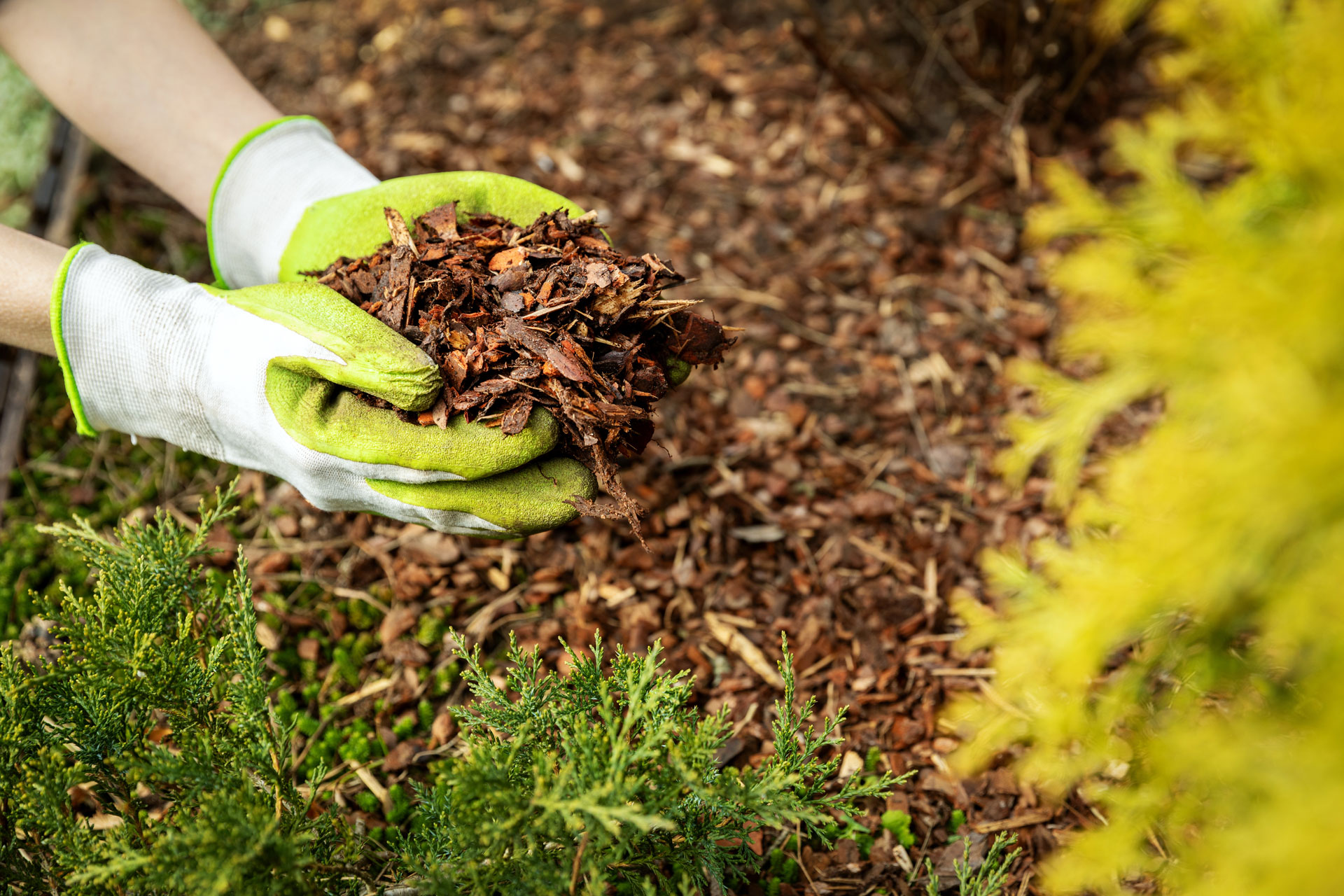
The answer is yes, in many cases. Fresh wood chips can be useful around trees, shrubs, pathways and natural areas. They can help suppress weeds, hold moisture in the soil, reduce mud and give parts of the yard a cleaner, more finished look. Still, they need to be used the right way. Fresh chips are not the same as bagged decorative mulch, and they’re not ideal for every part of the landscape.
Here’s what to know before spreading them around your yard.
Why Fresh Wood Chips Can Be Useful
Fresh wood chips are often called “arborist chips” because they usually come from chipped branches, limbs, and leaves after tree work. Unlike uniform bagged mulch, they contain a mix of wood, bark, and leafy material. That mix can be good for the soil over time because it breaks down gradually and adds organic matter.
For many yards in Vancouver and the Pacific Northwest, wet weather, muddy side yards and heavy weed growth can make outdoor spaces harder to manage. A layer of wood chips can create a softer, cleaner surface while helping protect soil from erosion and compaction.
Homeowners looking for landscaping front yard ideas often consider mulch first. It’s simple, relatively cheap, natural-looking, and useful. Fresh wood chips can help define planting beds, soften the look around trees and make bare soil look more intentional.
Where Fresh Wood Chips Work Best
Fresh wood chips are especially useful in areas where you want coverage, weed control and a more natural appearance.
They often work well around mature trees, as long as they are spread correctly. A wide mulch ring can protect the root zone, reduce competition from grass and help prevent mower or trimmer damage near the trunk. Chips can also work around established shrubs, along informal pathways, in woodland-style garden areas and around the edges of a yard where weeds tend to take over.
They can also be helpful in muddy areas that don’t need a formal hardscape solution. For example, a low-traffic side yard or natural walking path may benefit from a layer of chips because they create separation between foot traffic and wet soil. They will not solve a major drainage issue, but they can make certain areas less messy.
If you are gathering landscaping front yard ideas, wood chips can be a practical way to connect different parts of the yard visually. They can frame planted areas, create cleaner transitions around trees and reduce the amount of exposed dirt that gets tracked onto walkways.
Where You Should Be More Careful
Fresh wood chips are useful, but they’re not perfect for every situation.
Be careful using them directly in vegetable gardens, especially if you plan to mix them into the soil. As wood breaks down, it can temporarily tie up nitrogen near the soil surface. This is usually less of an issue when chips sit on top as mulch, but it can become a problem if large amounts are worked into planting soil.
You may also want to avoid using very fresh chips right against delicate annuals or newly planted flowers. Their texture can be coarse, and because they break down over time, they’re better suited for trees, shrubs, paths and larger landscape areas than tiny, tender plants.
Fresh chips are also not the best choice when you want a very formal or uniform look. Because they come from real tree debris, the color and texture can vary. Some homeowners like that natural look, while others prefer the consistency of bark mulch or decorative mulch from a garden center.
Don’t Pile Wood Chips Against Tree Trunks
One of the biggest mistakes homeowners make with mulch is piling it against the base of a tree. You may have seen this before: a tall mound of mulch stacked like a volcano around the trunk. But that isn’t good for the tree.
Mulch should be spread in a wide, even layer, not packed against the bark. When chips sit directly against the trunk, they can hold moisture in the wrong place, encourage decay and create a hiding spot for pests. The goal is to protect the soil and roots, not bury the trunk.
A better strategy is to keep the chips a few inches away from the base of the tree and spread them outward in a broad ring. Think “donut,” not “volcano.” The mulch should be thick enough to cover bare soil and discourage weeds, but not so deep that it smothers the area.
How Deep Should Wood Chips Be?
For most landscape areas, a layer of about 2 to 4 inches is enough. Thinner layers may not control weeds well, while overly thick layers can hold too much moisture and make it harder for air and water to move properly.
Around trees and shrubs, aim for an even layer that extends outward rather than upward. Wider is usually better than deeper. Around pathways or informal walking areas, you may need to refresh the chips over time as they settle and decompose.
If the chips are especially coarse, they might break down slowly. If they include a lot of leafy material, they may decompose faster. Neither is necessarily bad; it just means the mulch layer will change as the seasons pass.
Should You Let Fresh Wood Chips Age First?
It depends on where you plan to use them.
For natural areas, paths and around mature trees, fresh chips can usually be used right away. For more delicate planting beds, some homeowners prefer to let chips age for a few months before spreading them. Aging gives the material time to begin breaking down and mellowing.
If you are using wood chips as part of landscaping front yard ideas, think about the purpose of the space. If the goal is to cover bare soil around established trees or create a natural border, fresh chips may be perfectly fine. If the goal is a polished ornamental flower bed, aged mulch or a more uniform bark product would be a better fit.
When Wood Chips Are Not Enough
Wood chips can improve a yard, but they don’t solve every problem.
If water pools in the same spot after every rain, chips may only hide the issue temporarily. If roots are lifting pavement, mulch will not fix the underlying tree or hardscape problem. If a tree was removed and the stump remains, chips can improve the appearance of the area, but the stump may still sprout or decay unevenly.
It’s helpful to see wood chips as one tool in the entire cleanup and landscaping process. They can make a yard cleaner, safer, and more usable, but they work best when matched to the actual problem.
A Smart Way To Reuse Tree Debris
Searching for a wood chipping service near me often starts with a cleanup problem: too many branches, too much brush and no easy way to get rid of it. But once that debris is chipped, it can become something useful.
Fresh wood chips can help protect soil, reduce weeds, manage muddy areas, and give your yard a more finished, natural look. You should know where they belong, how deep to spread them, and when another material might be better.