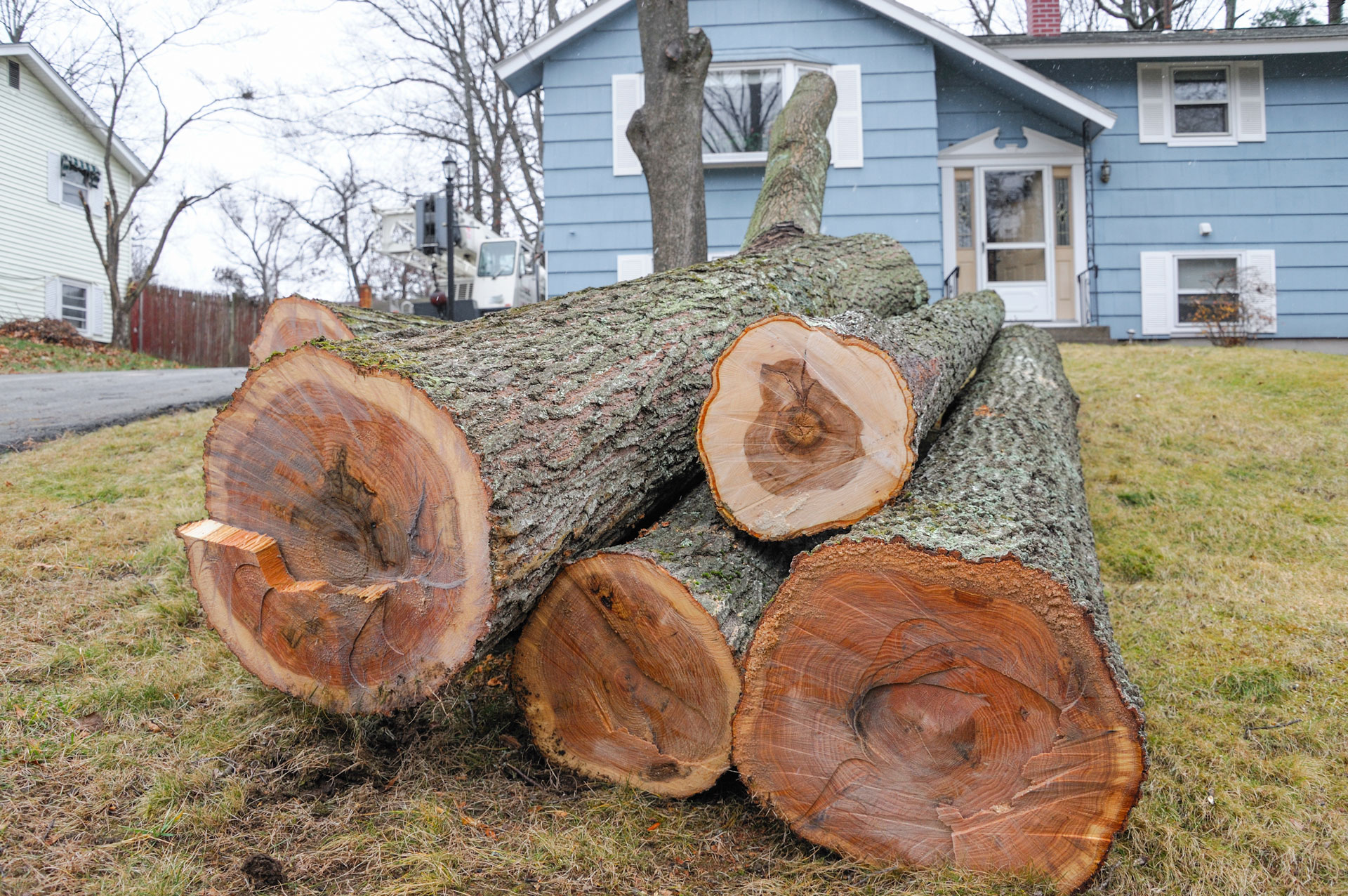
Putting a home on the market makes every detail look bigger. Then there’s the tree in the front yard that has been leaning a little too close to the roof, dropping limbs across the driveway, or blocking half the house from the street.
Before calling for tree removal Vancouver WA service, homeowners often ask the same question: will removing it actually help the sale?
Sometimes, yes. In other cases, a healthy, well placed tree actually adds to the property’s appeal. The right decision depends less on whether the tree “looks” old or messy and more on the risk, condition, and first impression it creates for buyers.
A tree removal estimate before listing can give you a clearer answer and prevent a stressful surprise once inspections begin.
Tree Removal Vancouver WA: When a Tree Can Hurt a Home Sale
A mature tree can be a huge selling point. Shade, privacy, character, and a finished landscape are all things buyers notice. Removing a healthy tree just to make the yard look more open is rarely the answer.
The problems really start when the tree creates a visible concern buyers can’t ignore. In such cases, tree removal Vancouver WA homeowners arrange before listing can help eliminate a concern that may otherwise follow the property into inspections and negotiations. A large dead limb hanging over the roof, a trunk with deep cracks, mushrooms growing from a decaying base, or roots lifting a walkway can make a buyer wonder what else has been neglected. Even buyers who love the house may begin calculating removal costs, repair costs, and the hassle of managing the issue after closing.
A tree that feels unsafe or expensive can become an easy reason to hesitate, request a credit, or move on to the next listing.
Signs Removal May Be Worth Handling Before You List
Some tree concerns are easy to spot from the curb. Others take a professional assessment.
Removal is worth considering before listing when a tree is:
- Dead, clearly declining, or losing large limbs
- Leaning more than it used to, especially toward a home, driveway, fence, or utility line
- Showing trunk cracks, cavities, peeling bark, or obvious decay
- Growing into the roofline, chimney, siding, or overhead service lines
- Damaging a sidewalk, driveway, retaining wall, or other hardscape with its roots
- Blocking access to an important part of the property
- Crowding the home so heavily that rooms feel dark or the exterior is hard to see in listing photos
A tree doesn’t have to fall to become a problem. Buyers often see the risk long before a storm proves their suspicions right.
Pruning may be the better option when the tree is healthy but just a tad overgrown. A thoughtful trim can open up the front elevation, improve natural light, remove low limbs, and make a yard feel more maintained without taking away a valuable mature tree. Cabling or bracing may also help in certain structural situations. An arborist can help separate a tree that needs management from one that’s truly nearing the end of its safe life.
Inspections Can Bring Tree Problems
Waiting for a buyer’s inspection can leave you with less control over the timing and solution.
A buyer may notice branches touching the roof, evidence of past impact damage, or a tree that appears close enough to threaten a structure. Once the concern comes up during inspections, it can become part of the negotiation. You may be asked to remove the tree, lower the price, or offer a credit. The buyer may also walk away if the issue feels bigger than expected.
Washington sellers generally provide a disclosure statement based on their actual knowledge of material facts or material defects affecting the property. A known hazard isn’t something to brush aside or hope nobody notices. Your real estate agent or attorney can advise you on disclosure questions specific to your sale.
Taking care of a legitimate removal need before the home goes live can make the property easier to show and easier to explain. Keep any estimate, invoice, permit paperwork, and photos of the completed work. Those records can be useful when buyers ask what was done and why.
Don’t Forget About Vancouver Tree Permit Requirements
Before scheduling tree removal in Vancouver, check whether the property and tree are subject to local requirements. For instance, the City of Vancouver requires permits for certain private tree removals, and a permit is required for street-tree removal. Rules can vary based on the property’s zoning, lot history, site conditions, tree location, and whether sensitive areas are involved.
Permit timing matters when you’re working backward from a listing date. Confirm the applicable requirements early rather than finding out a few days before photos are scheduled.
The Best Timing Is Before the Listing Photos
Tree removal can leave a temporary bare spot, exposed stump, or disturbed section of lawn. Scheduling early gives you time to clean up the area, decide whether stump grinding makes sense, refresh mulch, and let the landscape settle before listing photos and showings.
You don’t need to make the yard look overly polished or stripped of all personality. Buyers simply want to see a property that feels cared for, safe, and straightforward. A clean removal of a dead or hazardous tree often supports exactly that impression.
Choose Removal for a Real Reason, Not Just a Quick Fix
Removing a tree before selling can protect a sale when it addresses a genuine safety issue, removes an obvious objection, or lets the home show more clearly. Healthy trees with good structure and good placement shouldn’t be treated as disposable landscaping.
If a tree has you second guessing your listing plans, get a professional opinion before you decide. Tree Contractors Northwest can assess the condition, location, and removal challenges involved, then help you understand whether pruning, cabling, or full removal makes the most sense for your Washington property.
Call Tree Contractors Northwest today to request an estimate for tree removal services in Vancouver, WA.