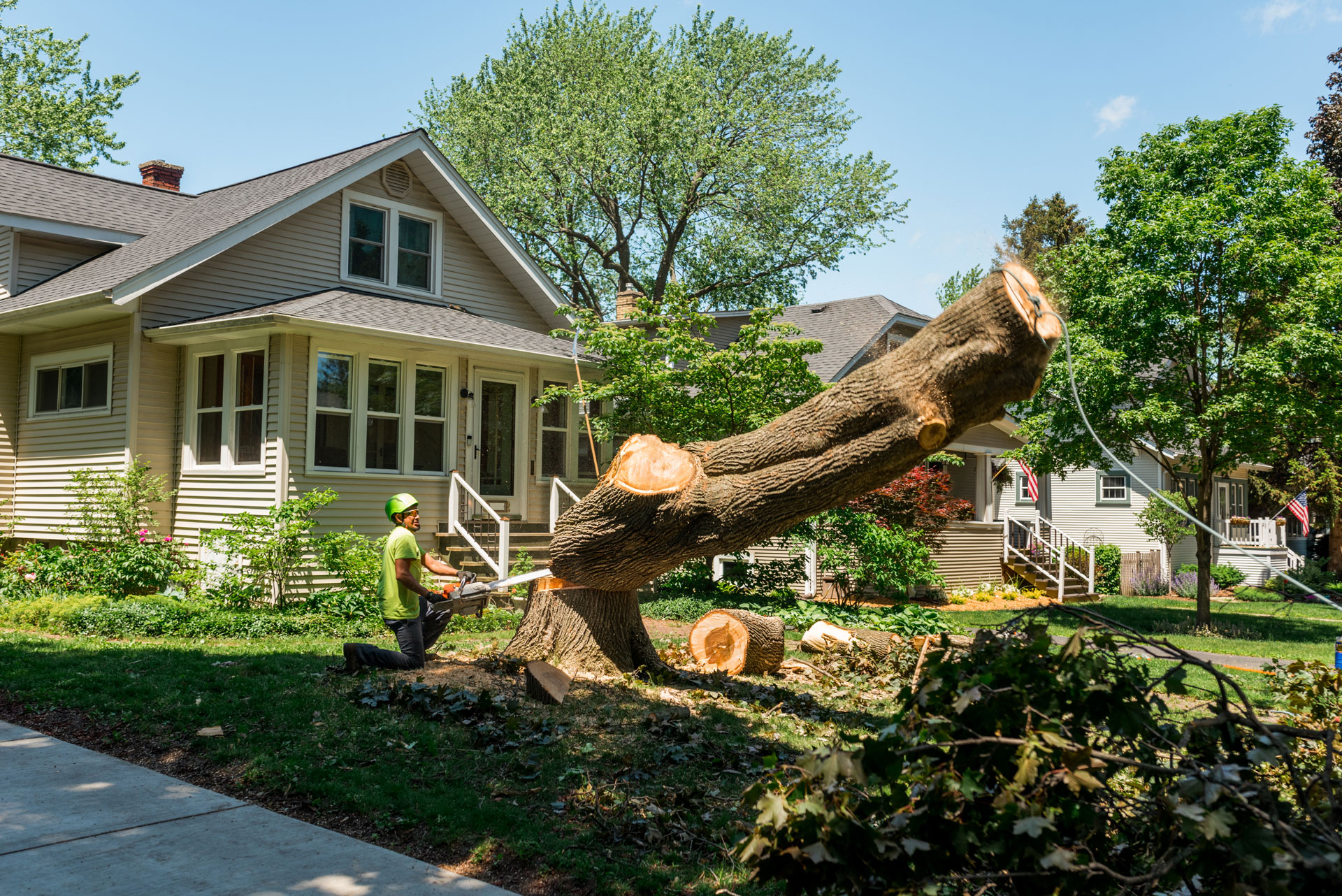
You’ve made the tough decision, hired the crew, and watched that massive Douglas fir or stubborn maple come down. The sawdust has settled, the yard looks completely different, and sunlight is finally reaching the back porch.
Job done, right?
Not always.
For many property owners, tree removal is one part of the process. Depending on where you live, the type of tree removed, and whether the property falls within a sensitive area or public right-of-way, replanting may be required as part of the permit process.
Anyone scheduling tree removal Vancouver WA should understand the local requirements before the stump is ground and the crew leaves. Vancouver and Clark County both place a strong emphasis on protecting tree canopy, stormwater systems, wildlife habitat, and neighborhood character.
Here’s what homeowners should know about tree replacement requirements after a tree comes down.
Why Does the Local Government Care About Tree Removal Vancouver WA on Private Property?
It can feel a little intrusive at first. It’s your yard, so why should the city or county care whether another tree goes back in its place?
Local regulations treat mature trees as more than landscaping. Tree canopy can help absorb stormwater, reduce erosion, provide summer shade, cool surrounding neighborhoods, and support local wildlife. Losing a large tree can affect more than one property, especially in areas with established tree cover, nearby streams, or sensitive habitat.
For homeowners scheduling tree removal Vancouver WA, replanting requirements are intended to help maintain those benefits when a removal is necessary.
Vancouver City Limits vs. Unincorporated Clark County
Your responsibilities depend largely on where the property is located.
Inside Vancouver City Limits
The City of Vancouver regulates trees through its Street Tree Ordinance and Tree Conservation Code.
Street trees are the most straightforward example. A tree located in the public right-of-way, such as the planting strip between the sidewalk and curb, requires a permit for removal. In most cases, one replacement tree must be planted for every street tree removed.
Private-property rules can be more nuanced. A permit may be required when a tree is hazardous or a nuisance, when work is tied to development or site disturbance, when a property has specific zoning or lot-size conditions, or when the tree was previously planted as mitigation.
Properties near wetlands, stream corridors, steep slopes, priority habitat, or other designated critical areas may also require additional review before tree work begins.
Replacement obligations are typically listed directly in the approved permit conditions. Checking with Vancouver Urban Forestry before scheduling removal is the safest way to avoid surprises.
Unincorporated Clark County
Homeowners outside Vancouver city limits, including areas such as Hazel Dell, Felida, Minnehaha, and other unincorporated parts of Clark County, may face fewer requirements for routine tree removal on established residential lots.
Sensitive areas are the major exception.
Clark County regulates clearing and development near wetlands, wetland buffers, stream corridors, riparian habitat, and other protected habitat areas. Tree removal in or near those locations can require a habitat or wetland permit, and mitigation may include replanting trees and shrubs or restoring disturbed areas with approved native vegetation.
Removing a dead or dangerous tree may still be appropriate, but it’s worth confirming the requirements before work begins, especially when a creek, wet area, steep slope, or wooded buffer is nearby.
What Counts as an Acceptable Replacement Tree?
A replacement requirement doesn’t mean planting a small shrub and calling it finished. The tree usually needs to meet the standards set by the applicable permit or ordinance.
For Vancouver street trees, replacement trees generally need to be nursery-grown, at least 1.5 inches in caliper, and selected from the City’s approved street tree list. The tree must also be maintained through establishment. If it dies, a new replacement may be required.
Private-property permits may have different conditions based on the site, the tree removed, and the purpose of the permit. Always review the permit requirements before choosing a species or planting location.
A few things usually matter:
- The right species: Choose a tree suited to the available space, soil conditions, and surrounding infrastructure. A large-growing species may not work beneath overhead utility lines or near a narrow planting strip.
- The right location: Trees need room for mature roots and canopy growth. Avoid planting too close to foundations, driveways, utility lines, or septic systems.
- The right size: Permit conditions may specify minimum size requirements, especially for mitigation or street-tree replacements.
Native and climate-appropriate species are often strong choices because they are adapted to local conditions and can require less intervention once established.
What Happens If You Skip the Replanting Requirement?
Skipping a required replacement tree can create more trouble than it saves.
When replanting is part of an approved permit, it becomes a condition of that approval. Failing to install or maintain the tree can lead to code enforcement issues, additional replacement requirements, or fines.
A replacement tree also needs basic care after planting. A tree that dies from neglect may not satisfy the permit requirement, which means the homeowner could be required to plant again.
Tips for Replanting Success
A newly planted tree has a much better chance of thriving with a little planning.
Avoid the exact stump location. Planting directly on top of a freshly ground stump can create drainage and soil-quality problems. Move the new tree several feet away when possible and use undisturbed soil for the planting area.
Watch overhead and underground utilities. Call before digging, and choose a species with a mature size that fits the location. Small-stature trees are often the better choice beneath power lines.
Water consistently during dry weather. Southwest Washington receives plenty of winter rain, but young trees still need deep, regular watering through dry summer periods. The first two or three summers are especially important for root establishment.
Keep mulch away from the trunk. A thin layer of mulch can help retain moisture and reduce weed competition, but piling mulch against the trunk can trap moisture and invite disease.
Get the Details Before the Work Begins
Tree removal can be a major relief when a tree is diseased, damaged, leaning, or creating a hazard. Replanting requirements should not stop a necessary removal, but they’re worth understanding before the project begins.
A professional tree company can help identify whether permits may be needed, explain whether replacement planting is likely to apply, and help you choose a species that makes sense for the property.