Living in the Pacific Northwest, you already know the joke: there’s a “dry season”… and then there’s everything else. When you schedule pruning, removals, or storm cleanup, wet conditions aren’t a rare complication.
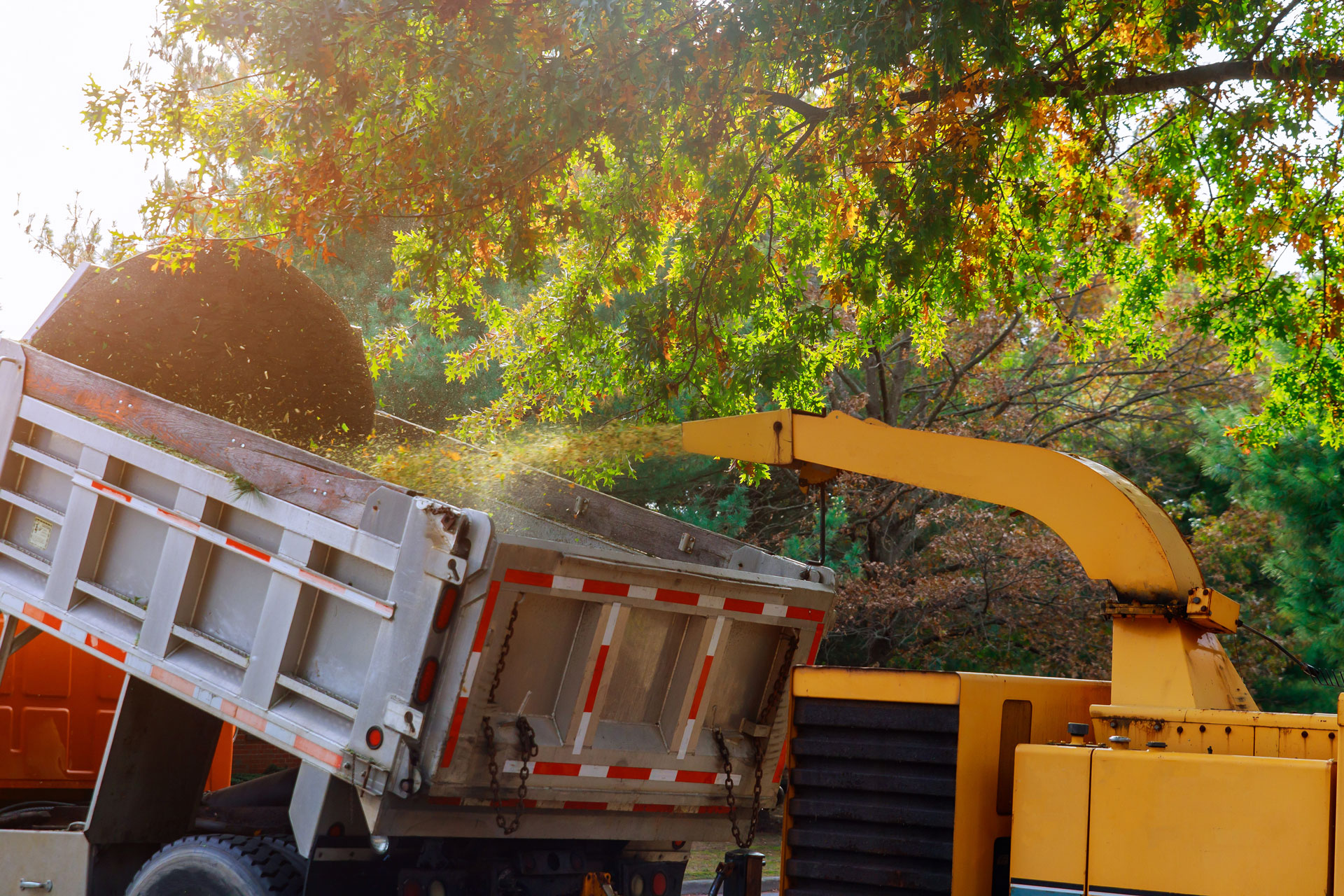
And if you’re booking wood chipping Vancouver WA services, it helps to understand why rain changes the entire wood chipping process, from getting equipment into the yard to preventing ruts to leaving the site clean.
Wet-Weather Wood Chipping Vancouver WA
Rain doesn’t just make the work messier. It changes access, traction, turf protection, hauling, and the pace of cleanup. In wet months, the same job can require different staging, more protection for lawns and driveways, and more planning around where chips will land and how they will be removed.
That’s why professional wood chipping Vancouver WA service teams adjust their approach in the PNW. The goal stays the same: chip safely, protect your property, and leave the site looking like a work zone was never there. The path to that goal just looks different when everything is soaked.
Access is the First Problem Rain Creates
Wood chippers are heavy, and the trucks and loaders that move them are even heavier. In summer, crews can usually park and work close to the job site without issues. In winter and the rainy shoulder seasons, soft ground and mud often limit how close equipment can safely get.
Common wet-weather access issues include:
- Soft lawns that cannot support tires without sinking, spinning, or tearing.
- Narrow side yards that become slick corridors where equipment can slide.
- Sloped driveways and gravel lanes that lose traction once mud starts moving.
- Hidden hazards like saturated soil over roots, septic areas, irrigation lines, or drain fields.
This is why crews often stage differently in the rain. Instead of pushing equipment deep into the yard, they may set the chipper closer to the street and carry or drag brush out. It’s more labor, but it can prevent thousands of dollars in rut repair.
Why Ruts Happen, And Why They’re Hard to “Just Fix”
Most homeowners think ruts come from “careless driving.” Sometimes they do. More often, ruts happen because the soil has lost its structure.
When the ground is saturated, it can’t distribute weight. Tires compress the soil, shear the surface, and create channels that fill with water. Once a rut forms, it becomes a little creek bed, collecting runoff and getting deeper with each pass.
Wet-season rut risk goes up when:
- The yard has clay-heavy soil (common in many PNW areas).
- The route to the chipper crosses the same path repeatedly.
- The work requires moving large rounds, logs, or heavy brush.
- The job is on a slope where water is already moving downhill.
A quick note on “fixing” ruts: filling them with loose topsoil is usually a temporary cosmetic patch. Proper repair often means regrading, adding material with structure, reseeding, and giving it time. That’s why preventing ruts is the smarter play.
How Professionals Prevent Turf Damage in the Rain
In wet conditions, a good wood chipping plan looks like a property protection plan. Crews are thinking about where the chipper goes, where brush will be staged, and how traffic will flow so the ground takes as little abuse as possible.
Common wet-weather protection methods include:
Ground Mats and Plywood Paths
Heavy-duty ground protection mats or plywood can spread weight and create a stable lane. They’re especially useful in side yards and soft lawn areas where repeated trips are unavoidable.
Staging Brush to Reduce Trips
Instead of feeding the chipper constantly, crews may stage brush in a protected area, then chip in batches. Fewer trips across the lawn usually means less damage.
Adjusting Equipment Choices
Sometimes the smartest choice is smaller equipment, or even no equipment beyond the chipper. In the rain, “faster” equipment can become “more damage” equipment.
Choosing the Right Exit Strategy
The route out of the yard matters as much as the route in. Crews plan for turns, traction, and where mud will get tracked.
Chips + Rain = A Different Cleanup
Wood chips are easier to manage when they fall onto dry ground. In wet weather, chips behave differently:
- They stick to mud and become harder to rake cleanly.
- They clump and can smear into grass like mulch paste.
- They can float and migrate with runoff, ending up in beds, drains, and walkways.
- They make hard surfaces slippery if they land on driveways, patios, or steps.
This is why wet-weather wood chipping isn’t just “chip and blow.” A thorough cleanup often includes more raking, more blowing, and more time detailing edges where chips love to hide.
Protecting Driveways, Walkways, and Drainage
The PNW has a lot of properties where water already has a preferred path. Add chips and mud, and you can create small problems that become big annoyances.
Here are the areas pros watch closely in the rain:
- Storm drains and curb lines: chips can wash and clog.
- Gravel driveways: heavy traffic + rain can create ruts and push gravel aside.
- Pavers and concrete: chips can stain when they sit wet, especially if mixed with leaf tannins.
- Landscape beds: chips can blend into mulch and look messy if not contained.
A simple but effective wet-weather practice is setting a clear “chip zone” and keeping chips off runoff routes. It sounds basic, but it prevents a lot of post-job frustration.
Timing Matters More Than People Think
In the PNW, you can’t always wait for a perfect forecast. But timing still helps.
If you have flexibility, consider:
- Scheduling after a few lighter days rather than after a multi-day downpour.
- Avoiding the wettest window of the day if your yard holds water.
- Planning access ahead of time (gate width, side yard obstacles, and where equipment can stage).
Even small adjustments can reduce the amount of turf protection needed and speed up cleanup.
What Homeowners Can Do to Help Wet-Weather Jobs Go Smoother
You don’t need to “prep” like a construction site, but a few practical steps can make a real difference:
- Clear the access route: move planters, hoses, toys, and furniture.
- Identify soft spots: tell the crew about areas that always get soggy.
- Mark sprinklers or hidden features if you know where they are.
- Decide ahead of time if you want chips left on-site (and where) or hauled away.
If you’re using a wood chipping service as part of a larger tree job, these small details can reduce property impact and shorten the day.
Rain Changes the Plan, Not the Standard
Wet-weather wood chipping in the PNW is normal, but it should still be done with intention. Rain changes access. It increases rut risk. It makes chips harder to control. It adds cleanup time. A professional approach like Tree Contractors NW accounts for all of that up front, so the job stays safe and your property stays in good shape.