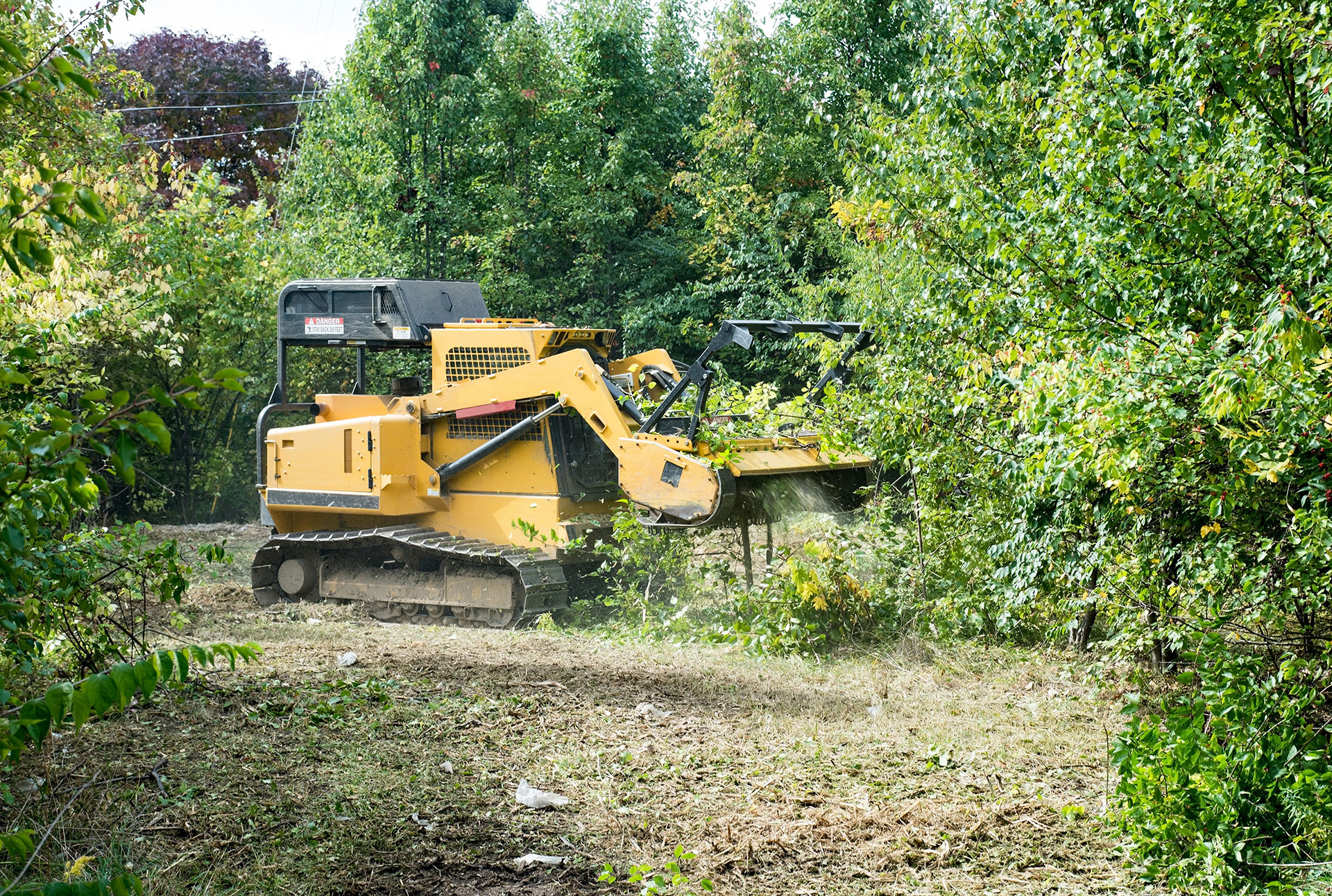
Clearing a lot in Clark County is not just a matter of showing up with saws and machines. The ground rules start long before the first cut, and the smartest money you will spend is on planning. As land clearing contractors who work in Southwest Washington every week, we have learned that a tight pre-clearing checklist saves time, protects the site, and keeps projects compliant from day one.
Below is a practical guide to the essentials Clark County expects to see in place before you move a single branch, with a focus on surveys, tree retention plans, erosion control, and utility locates. Whether you are a homeowner or a builder pricing land clearing services, use this as your field manual.
Why a Pre-Clearing Checklist Matters in Clark County
Clark County’s soils, slopes, and waterways call for careful handling. A good checklist does three things:
- Confirms what you are allowed to clear and where the limits are
- Protects neighboring properties from runoff, silt, and debris
- Reduces costly rework, stop notices, and schedule slips
When you handle these items up front, your crew spends more time producing results and less time idling while paperwork catches up. That is the real value of experienced land clearing contractors.
Survey and Site Plan: Know Your Boundaries Before You Clear
A current survey is the backbone of a legal clearing operation. Even if stakes are visible, verify them against a stamped survey and a scaled site plan.
- Property lines and corners. Confirm all corners, lot lines, and easements. Re-flag anything you cannot see from one stake to the next.
- Right-of-way and setbacks. Mark front, side, and rear setbacks so crews do not remove vegetation in protected zones.
- Critical areas overlay. If your parcel includes wetlands, streams, steep slopes, or buffer zones, show them on the plan and flag them in the field with a different color than property lines.
- Tree inventory layer. Add numbered trees with species and diameter at breast height. This makes your tree retention plan real rather than theoretical.
A clear plan avoids disagreements with neighbors and keeps clearing within the lawful footprint. If you are hiring land clearing services, insist on this baseline before any machinery rolls in.
Tree Retention Plan: Keep the Right Canopy and Document It
Tree retention is not just a feel-good idea. It protects slope stability, reduces future erosion, shades new homes, and helps projects pass review. A simple but effective retention plan includes:
- Tree-by-tree decisions. Identify what stays, what goes, and what requires pruning rather than removal.
- Protection zones. Install high-visibility fencing at the drip line, not tight to the trunk. Keep equipment, spoils, and laydown out of those zones.
- Access adjustments. If a retained tree blocks a straight shot for equipment, plan a dogleg route now rather than “figuring it out later.”
- Stump policy. If you are keeping a tree, you are keeping its roots. Spell out that no root cutting or grade changes happen within the protection zone.
A documented plan makes it easy for inspectors and neighbors to see that the project is intentional. It also gives your land clearing contractors clear instructions that survive shift changes.
Erosion and Sediment Control: Control Water Before it Moves
In Clark County, rain can turn a small disturbance into a muddy problem. Best Management Practices are the difference between a clean site and a citation. Put these pieces in place before the first cut:
- Stabilized construction entrance. Rock the entry so mud stays on site and off the street.
- Perimeter controls. Install compost socks or silt fence on the downhill edge before clearing uphill areas. Tie the ends into high ground to prevent bypass.
- Inlet protection. If there are catch basins nearby, protect them with curb socks or insert filters.
- Check dams and wattles. On gentle swales, set temporary check dams at intervals to slow runoff and drop sediment.
- Temporary stabilization. Keep seed and mulch, hydroseed, or blankets ready to stabilize exposed soil within the required timelines.
- Spoils management. Stage chips and soil on high ground behind perimeter controls. Never stockpile on the downhill edge.
Good erosion control feels like overkill until the first storm. Then it feels like relief. Its also what separates skilled land clearing services from one-and-done brush cutting.
Utility Locates: 811 Before You Dig, Trench, or Stump
No checklist is complete without utility locates. Call 811 and document the ticket before you touch the site. Then do the following:
- Walk the paint. Match flags and markings to your site plan. Look for conflicts with proposed access routes.
- Hand expose where needed. Near suspected lines, pothole with a shovel or vacuum excavation before any mechanical digging or stump extraction.
- Overhead awareness. Note power lines and communication lines. Plan felling and equipment paths to maintain clearances.
- Private utilities. Sprinklers, yard lighting, and other private lines do not show up on public locates. Ask owners for as-builts and treat unknowns cautiously.
A careful locate is the cheapest insurance you can buy. Your land clearing contractors should treat it as non-negotiable.
Access, Staging, and Traffic Plan: Small Details, Big Savings
A tidy site is faster and safer. Before clearing, set the logistics:
- Access mats or ground protection. Use mats on soft lawns, new driveways, and tree root zones to prevent ruts and compaction.
- Brush staging plan. Point branch butts the same direction, stack in lift-friendly rows, and keep a clear lane for the chipper or mulcher.
- Street sweeping and neighbor notice. If you are working on a tight street, schedule sweeping and give neighbors a short, courteous notice with dates and hours.
- Quiet hours and school zones. Align operations with local noise rules and bus routes to avoid avoidable delays.
This level of planning is what clients remember long after the clearing is done and why they call the same land clearing contractors back for the next phase.
Documentation Packet: What to Have on Hand
Keep a simple binder or digital folder that anyone on site can open:
- Current survey and site plan
- Tree retention plan and protection map
- Erosion and sediment control plan with details
- 811 ticket and any private utility notes
- Daily log pages for photos, inspections, and weather
When an inspector stops by, the conversation is short and positive. When a question comes up, you have proof rather than opinions.
How Tree Contractors NW Puts the Checklist to Work
Our approach is simple. We walk the site with the survey in hand, flag trees and buffers, and mark routes that protect what stays. Erosion controls go in before clearing so the first rain is uneventful. We coordinate 811, hand expose where needed, and set ground protection in sensitive zones. Brush is staged for fast chipping or mulching, and retained trees get real protection, not token ribbon. That is the difference between basic brush cutting and professional land clearing services that keep a project on schedule.
A Printable Pre-clearing Checklist:
- Verify survey, corners, easements, setbacks
- Flag critical areas and buffers in a unique color
- Inventory trees, finalize retention and protection zones
- Install stabilized construction entrance
- Set perimeter erosion controls and inlet protection
- Stage temporary stabilization materials
- Call 811 and document private utilities
- Plan access lanes, mats, and staging locations
- Confirm neighbor notice, quiet hours, and street sweeping
- Build a documentation packet and start the daily log
Looking to clear your land? Tree Contractors NW can handle planning and production as one package. If you need land clearing contractors who will deliver clean work, strong documentation, and respectful communication, we are here to help. Let us walk your property, finalize your pre-clearing checklist, and get your project moving the right way from day one.