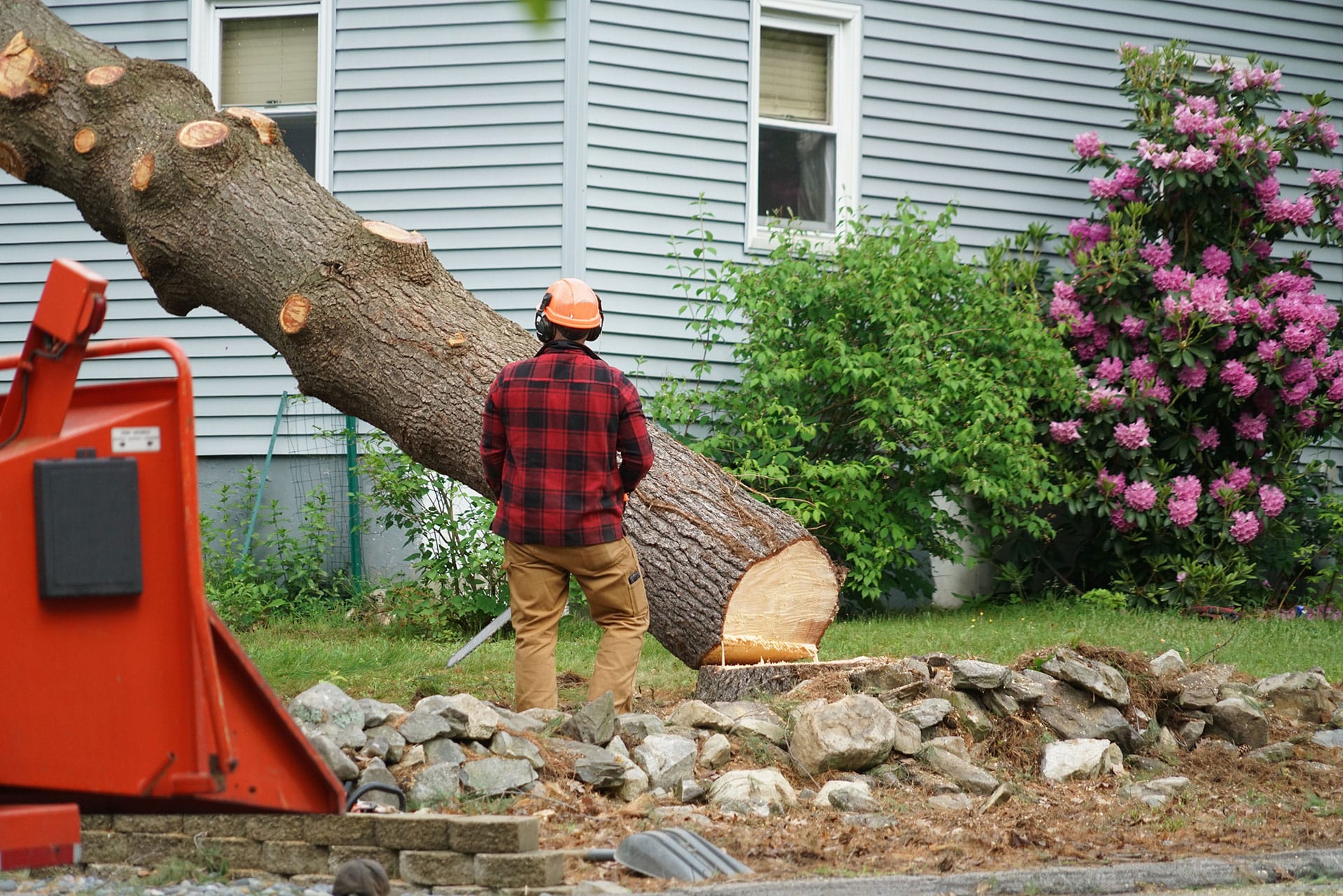
Homeowners ask us all the time: which trees should come down first, and which are worth saving? A trusted tree service Vancouver WA team can help you sort the urgent from the optional so you reduce risk, protect your home, and keep the landscape you love.
In our rainy, windy PNW climate, species choice and placement matter. This guide breaks down clear “remove first” signals, the local species that tend to cause problems, and the keepers you’ll want to preserve or replace wisely.
What Counts as “Remove First”? A Tree Service Vancouver WA Checklist
Before scheduling work, a tree service Vancouver WA arborist looks for quick red flags that push a tree to the top of the list. If you see any of the following, it’s time for a professional assessment:
- Dead or mostly declining canopy
- Significant lean toward a “target” (house, driveway, play area)
- Split leaders, deep cracks, or major cavities
- Heaving soil or root plate movement after storms
- Recurrent large limb drops (aka “sudden limb drop”)
- Mushrooms or bracket fungi around the base (possible root decay)
- Persistent conflicts with foundations, sidewalks, or sewer laterals
- Severe pest or disease beyond practical treatment
- Fast-spreading invasive species
PNW Species Priorities at a Glance
Remove First (Common Risk or Conflict in SW Washington)
- Lombardy/Hybrid Poplars—grow fast, age fast; brittle wood and aggressive roots near slabs or lines.
- Over-mature Red Alder—pioneer species that gets brittle with age; frequent limb failures.
- Bradford/Callery Pear—weak branch unions and frequent storm splits.
- Leyland Cypress rows—shallow roots and top-heavy forms make windthrow common, especially when crowded.
- Willows near water lines or slabs—thirsty roots and frequent limb drop in wind.
- Tree-of-Heaven (Ailanthus)—invasive, rapid spread; remove before seed set.
Maybe Remove or Replace (Site-Dependent)
- Sweetgum—durable, but spiky seed pods and sidewalk lift; remove where mess or roots are a hazard.
- Black Locust—strong but thorny, suckering habits; remove if spreading into beds or play spaces.
- English Holly (tree form)—bird-dispersed and invasive; consider removal and replant with non-invasive evergreen.
Keep, Protect, or Restore (Often Worth Saving)
- Douglas-fir—iconic, long-lived; favor pruning and monitoring over removal when healthy.
- Western Redcedar—excellent screening; protect roots and drainage to maintain vigor.
- Oregon White (Garry) Oak—high habitat value and heritage feel; prune carefully, don’t overwater.
- Vine or Japanese Maple—manageable size and structure for small yards.
- Serviceberry/Dogwood—four-season interest and pollinator-friendly; great replacements after removals.
Remove vs. Prune vs. Cable: How to Decide
- Remove when the risk to people or structures is high, decay is advanced, or roots are undermining slabs or utilities.
- Prune to reduce end-weight, clear roofs and wires, and improve structure on trees you want to keep (a 3–5 year cycle is common).
- Cable/brace when a valued tree has co-dominant stems or minor defects but is otherwise in good health.
A walk-through with an ISA-certified arborist keeps the decision objective: What’s the target? What’s the defect? What’s the likelihood of failure in the next major storm?
Post-Removal Game Plan (So You Don’t Regret It Later)
- Stump grinding: choose depth based on whether you’ll replant or return to lawn; haul chips if you’re replanting.
- Root conflict mitigation: install root barriers and respect planting distances from slabs, pipes, and sidewalks.
- Right-sized replacements: small (serviceberry), medium (vine maple), large sites (Douglas-fir or cedar sited well).
- Timing: late fall through winter can reduce lawn damage and improves canopy visibility.
Permits, Utilities, and Neighbors
Rules vary by location and whether the tree lies in a right-of-way or sensitive area. Before work, call in utility locates, check local guidance, and share a quick plan with adjacent neighbors, especially for shared or property-line trees. Clear communication prevents surprises and helps everyone feel comfortable with the outcome.
What It Might Cost (Simple, No-Surprise Ranges)
Every yard is different, but here’s how costs typically scale:
- Small ornamentals: usually in the low hundreds.
- Medium yard trees: mid-hundreds to low thousands depending on access, fencing, and hazards.
- Large or complex removals/crane work: higher thousands; power lines, rigging, and tight access drive price.
Pro tip: bundling stump grinding or multiple trees in one visit can lower your per-tree cost.
Make a Safe, Smart Plan for Your Trees
Not every tree needs to go, but the right removals, done at the right time, make your property safer and easier to enjoy. If you’re unsure where to start, send a few photos and your address. Tree Contractors NW will provide a quick, honest priority list and options, from targeted pruning and cabling to full removal and smart replanting.
Let’s make your yard safer, healthier, and a little less stressful—one well-considered decision at a time.