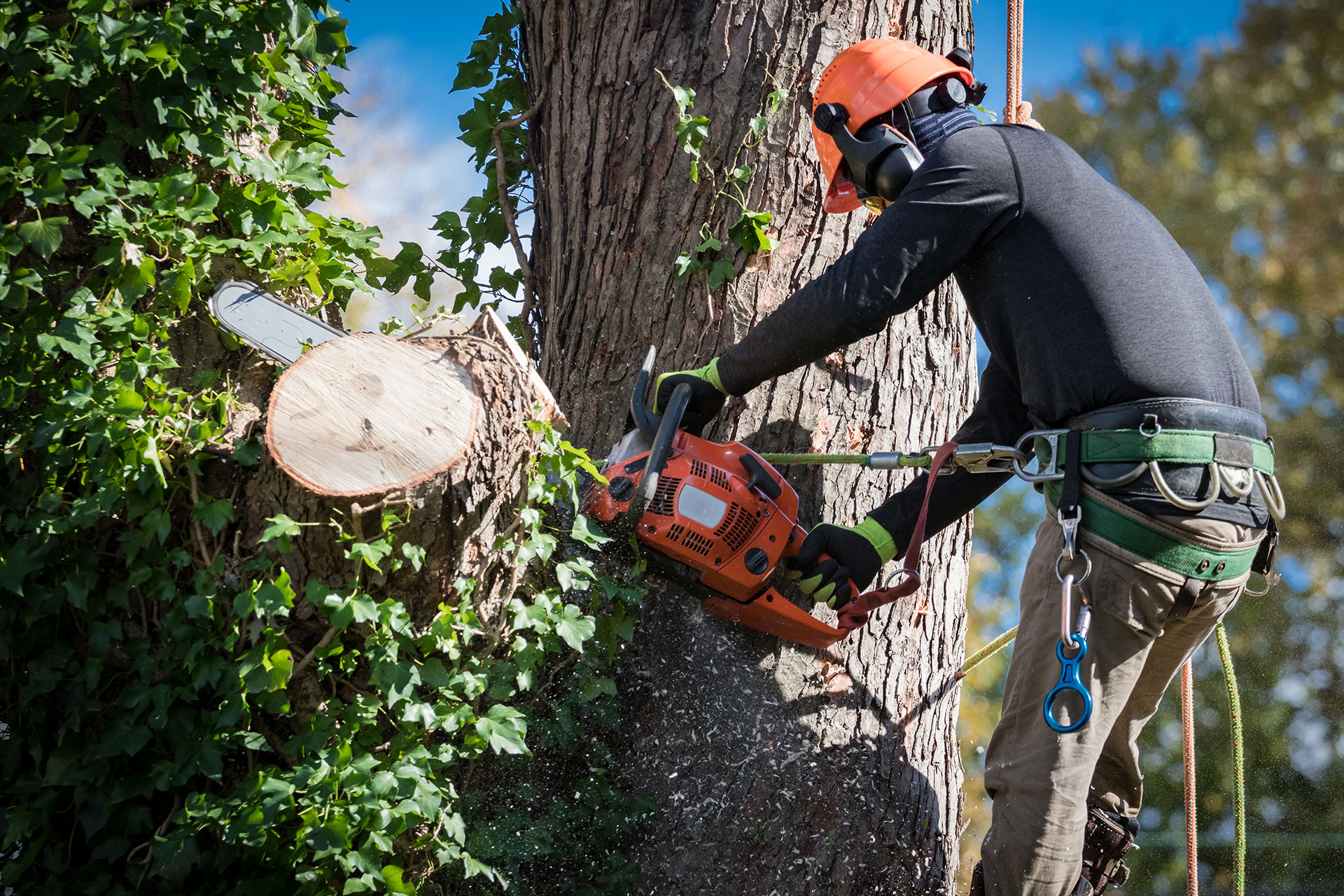
Trees add beauty, shade, and value to our properties, but there are times when keeping a tree is not the best choice. Whether it’s due to safety concerns, disease, or interference with your property, deciding to remove a tree is never an easy decision.
At Tree Contractors NW, we provide tree removal services to make sure your property remains both safe and beautiful. If you’re wondering when to call it quits, here are five clear signs it might be time to say goodbye to a tree.
1. The Tree is Dead or Dying
A dead or dying tree is more than just an eyesore—it’s a hazard. Dead trees are structurally weak, making them prone to falling during storms or even on a calm day. If your tree isn’t sprouting leaves during growing season or its bark is peeling away to reveal dry, brittle wood, it may be at the end of its life.
Signs of a dying tree include:
- Large dead branches
- Fungal growth at the base of the trunk
- Cracks or splits in the trunk
- A thinning canopy
While some trees can bounce back from disease or poor health, others cannot. A professional tree service in Vancouver WA can determine whether your tree can be saved or if removal is the safer choice.
2. The Tree is Too Close to Your Home or Power Lines
Trees growing too close to structures or power lines are just accidents waiting to happen. Strong winds or heavy snow can cause branches—or the entire tree—to fall, thus damaging your property or cutting power.
If a tree’s roots are growing under your foundation, driveway, or septic system, the damage can be equally costly. In some cases, trimming might resolve the issue, but if the tree is too large or the root system too invasive, removal is typically the best solution.
Don’t wait until an emergency arises. Call a professional tree removal service to evaluate your options and protect your property.
3. The Tree is Diseased Beyond Repair
Not all tree diseases are fatal, but some can spread rapidly and weaken the tree’s structure.
Common signs of disease include:
- Discolored or spotted leaves
- Powdery mildew on branches
- Mushrooms or fungal growth around the base
- Excessive sap leaking from the trunk
Diseased trees can also become a breeding ground for pests like termites or beetles, which may migrate to nearby trees—or even worse, your home. If treatment isn’t possible or effective, removing the tree is the best way to stop the spread and maintain the health of your property.
4. The Tree is Leaning Dangerously
A slight lean in a tree might not be a problem, but when a tree suddenly begins tilting, it’s a red flag. Trees can lean due to soil erosion, root damage, or previous storms. If the tree is leaning toward your home, driveway, or another structure, it poses a critical safety risk.
Signs of a dangerous lean include:
- Exposed roots at the base of the tree
- Cracked soil around the trunk
- A lean of 15 degrees or more
5. The Tree is Crowding or Competing with Other Plants
Sometimes, even healthy trees need to be removed to benefit the rest of your landscape. Overcrowded trees can block sunlight, compete for nutrients, and stifle the growth of nearby plants or other trees.
If you’re trying to improve the health of your yard or make space for landscaping projects, selective tree removal can be a practical solution. A tree service in Vancouver WA can help you decide which trees to keep and which ones to let go for a balanced, thriving outdoor space.
Tree Service Vancouver WA: Making the Right Choice for Your Trees and Property
Tree removal is not a decision to take lightly, but in many cases, it’s the safest and smartest choice for your property. Whether it’s due to safety risks, poor health, or practical concerns, professional tree removal services guarantee that the process is handled safely and efficiently.
If you’re dealing with any of these tree issues, reach out to Tree Contractors NW. Our expert team is here to help you make the best choice for your property. From assessments to safe removal, we offer quality tree removal services in Vancouver WA.
Don’t wait until it’s too late—contact us today for a consultation.